
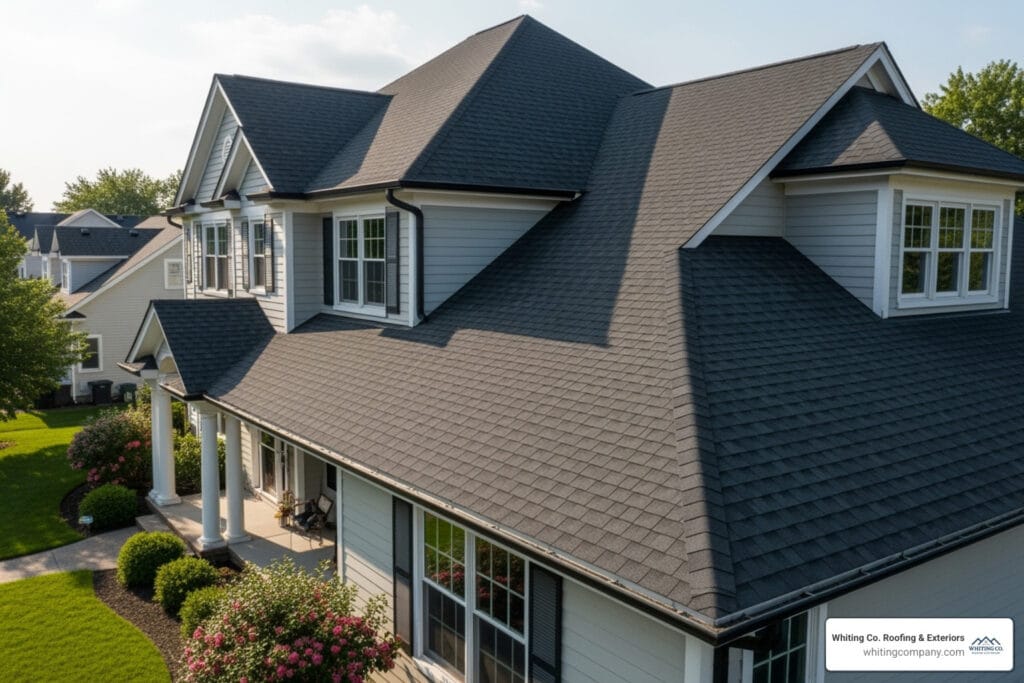
Understanding What You’ll Really Pay for a New Roof
The cost to roof a home in the United States typically ranges from $8,000 to $25,840, with the average homeowner paying between $9,615 and $10,500 for a standard 2,000-square-foot roof. If you’re planning to invest in a quality roof for your home, you’re making a smart financial decision that protects your property and provides a significant return on investment.
Your final price is determined by several key factors:
- Roof Size: A 1,000 sq ft roof costs $4,000–$5,500, while a 3,000 sq ft roof can cost $11,200–$16,000.
- Material Choice: Options range from affordable asphalt shingles to premium metal, tile, or slate.
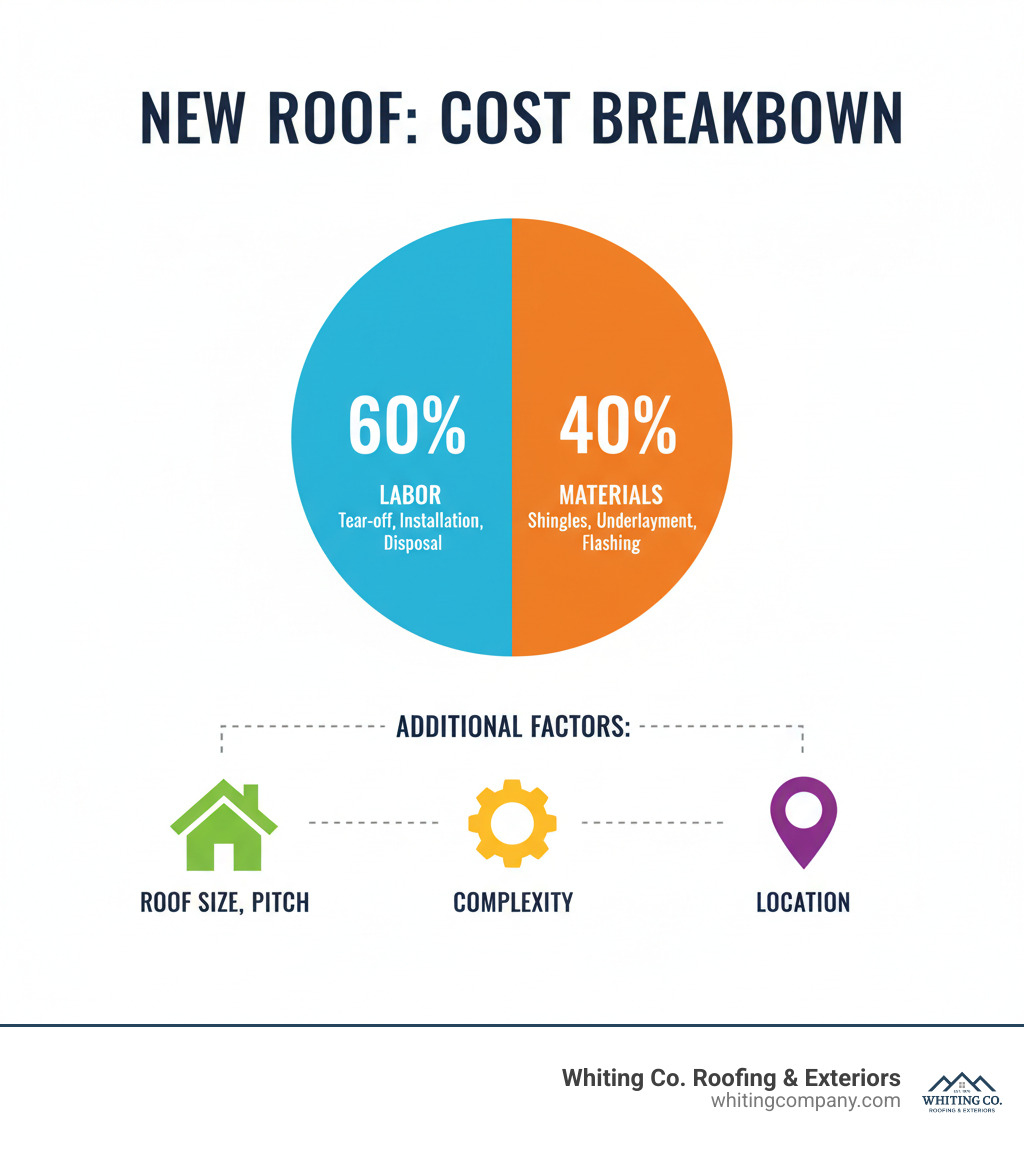
- Labor Costs: This is the largest factor, often accounting for 60% of the total project cost.
- Roof Complexity: Steep pitches, multiple stories, and features like dormers or skylights increase the price.
- Additional Costs: Removal of old materials, permits, and potential structural repairs add to the final bill.
Replacing a roof is a major expense, but it’s also a crucial investment. A new asphalt shingle roof offers an average ROI of 59%, while safeguarding your family from Maryland’s unpredictable weather. The wide price range exists because every home is unique—a simple ranch-style house costs far less to roof than a complex multi-story home.
I’m Tim Whiting, owner of Whiting Window Siding and Roofing Roofing & Exteriors. For nearly 50 years, my family’s company has helped over 25,000 homeowners in Maryland, D.C., and Virginia understand the cost to roof a home and make confident investment decisions. This guide will break down every factor influencing your cost, so you can budget effectively.
National Averages: What’s the Bottom Line for a New Roof?
Across the United States, most homeowners spend between $5,100 and $11,000 for a standard 2,000-square-foot roof, with the national average landing around $8,000. This is a significant investment, but it’s one of the most important you’ll make in protecting your home.
Here’s a typical cost breakdown by roof size, using standard asphalt shingles:
- 1,000 sq ft roof: $4,000 to $5,500
- 2,000 sq ft roof: $8,700 to $12,000
- 3,000 sq ft roof: $11,200 to $16,000
These national averages provide a solid starting point for your budget. However, your actual cost will vary based on your location, material choice, and roof complexity. If you’re ready for specific numbers for your Maryland home, learn about our residential roofing services and how we create customized solutions.
How Roof Size and Pitch Impact Your Bill
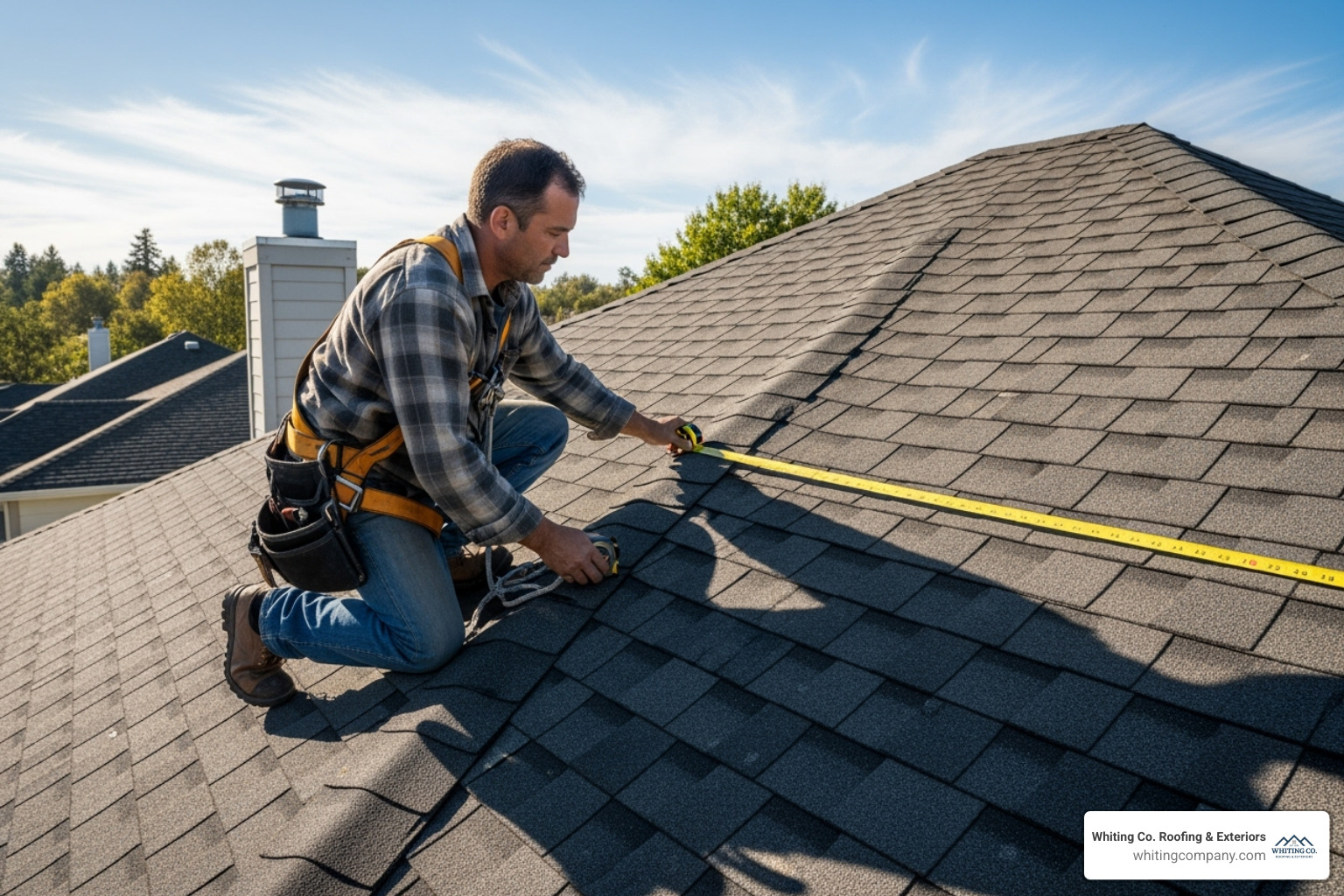
Your roof’s square footage is almost always larger than your home’s living space square footage due to factors like pitch (slope) and overhangs. For example, a one-story 2,200-square-foot home may have a roof area of 2,707 square feet, while a two-story home with the same living space might only have a 1,393-square-foot roof.
Contractors price projects based on the roof’s actual surface area, which is why accurate measurements are critical. A steeper pitch not only increases the surface area but also raises labor costs by 15% to 25% due to the increased difficulty and safety requirements.
When comparing quotes, the per-square-foot cost is a useful metric. Nationally, this ranges from $4 to $12 per square foot for a full replacement. This price is driven by your material choice, regional labor rates, and project complexity. For example, a basic 1,000-square-foot asphalt shingle roof costing $4,000 to $5,500 works out to $4.00 to $5.50 per square foot, providing a clear baseline for comparison.
Key Factors That Drive the Cost to Roof a Home
To understand the cost to roof a home, you must look at the specific factors that drive the price. Your total cost is determined by the materials you choose, the labor required for installation, your home’s unique structure, and other essential services.
Material Matters: From Asphalt to Slate
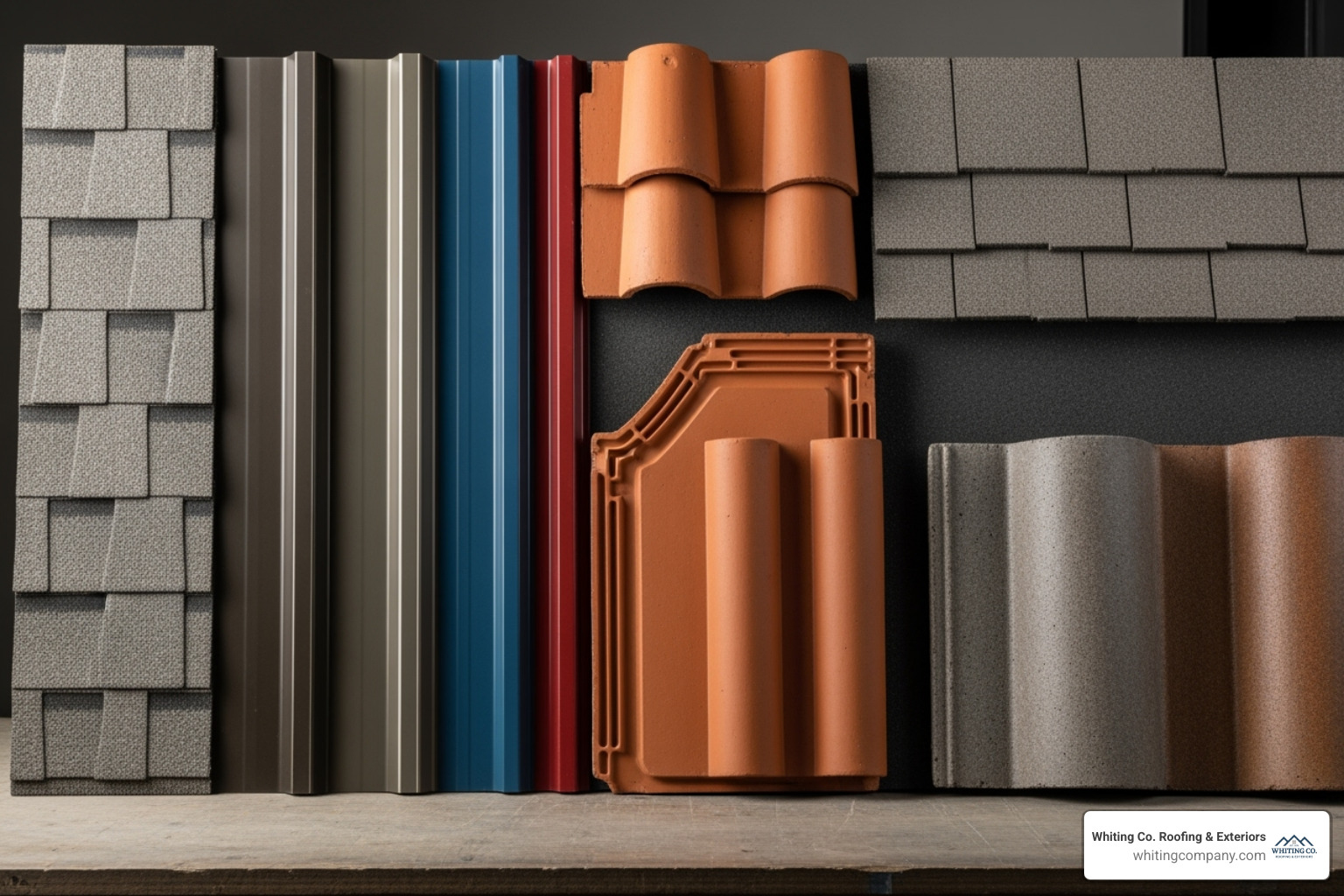
The roofing material is the single biggest variable in your project’s cost. Each option offers a different balance of price, durability, and aesthetics.
- Asphalt Shingles: The most popular choice, costing $3.40 to $5.95 per square foot installed. They are affordable, reliable, and versatile. Why asphalt shingles are a popular choice is clear when balancing cost and performance.
- Metal Roofing: Known for its longevity (40-70 years), metal costs $6.00 to $24.50 per square foot, depending on the style (e.g., corrugated, standing seam).
- Tile Roofing: Offering a 50-100 year lifespan, concrete or clay tiles run $6.30 to $12.30 per square foot.
- Wood Shakes: Providing a natural aesthetic, wood costs $6.00 to $9.15 per square foot and lasts 20-30 years.
- Slate Roofing: The premium option, slate lasts 75-150+ years but costs $23.49 to $31.77 per square foot.
When selecting, consider the long-term value. A more expensive material like metal may save money over decades by outlasting cheaper alternatives. Explore different roofing materials to find the best fit for your budget and home.
Labor’s Role in the Total Price
Labor typically accounts for 60% of your total roofing cost. Professional roofers charge between $40 and $90 per hour, reflecting the skill, physical demands, and danger of the job. This cost covers the safe tear-off of the old roof, disposal of debris, proper installation of all new components, adherence to building codes, and site cleanup. Investing in skilled labor prevents costly future repairs and ensures manufacturer warranties remain valid.
Roof Design and Home Structure
Your home’s architecture significantly influences the final price.
- Roof Pitch: Steeper roofs (8:12 pitch or higher) are more dangerous and time-consuming to work on, increasing labor costs by 15% to 25%.
- Number of Stories: Taller homes require more equipment and safety measures, which can increase per-square-foot labor costs.
- Complexity: A simple gable roof is the least expensive to replace. Features like valleys, dormers, and skylights require more time, custom materials, and skilled labor, driving up the cost.
Beyond the Shingles: Additional Cost Considerations
Several other necessary services contribute to the final bill:
- Debris Removal: Tearing off and disposing of old materials costs $0.40 to $2.00 per square foot.
- Building Permits: Required by most municipalities, permits can cost up to $500.
- Underlayment: This critical water-resistant layer costs $1.50 to $2.10 per square foot.
- Roof Decking Repair: If the underlying wood is rotted, repairs cost $2.20 to $3.00 per square foot.
- Ice & Water Barriers: Essential for leak-prone areas, this protection costs $1.87 to $2.53 per square foot.
- Flashing & Pipe Boots: Sealing around chimneys, vents, and pipes costs $9.00 to $11.00 per linear foot for flashing and $63.00 to $85.00 per pipe boot.
- Gutters: If your gutters are old or damaged, replacing them during your roof project is efficient. The importance of quality gutters is critical for protecting your foundation.
Repair or Replace? Making the Most Cost-Effective Choice
Deciding whether to repair or replace your roof is a critical financial decision. A targeted fix can be a smart, economical choice, while other times, a full replacement is the only way to avoid recurring problems and greater expense down the road. A professional inspection is the best way to determine the right path forward.
Telltale Signs Your Roof Needs Replacement
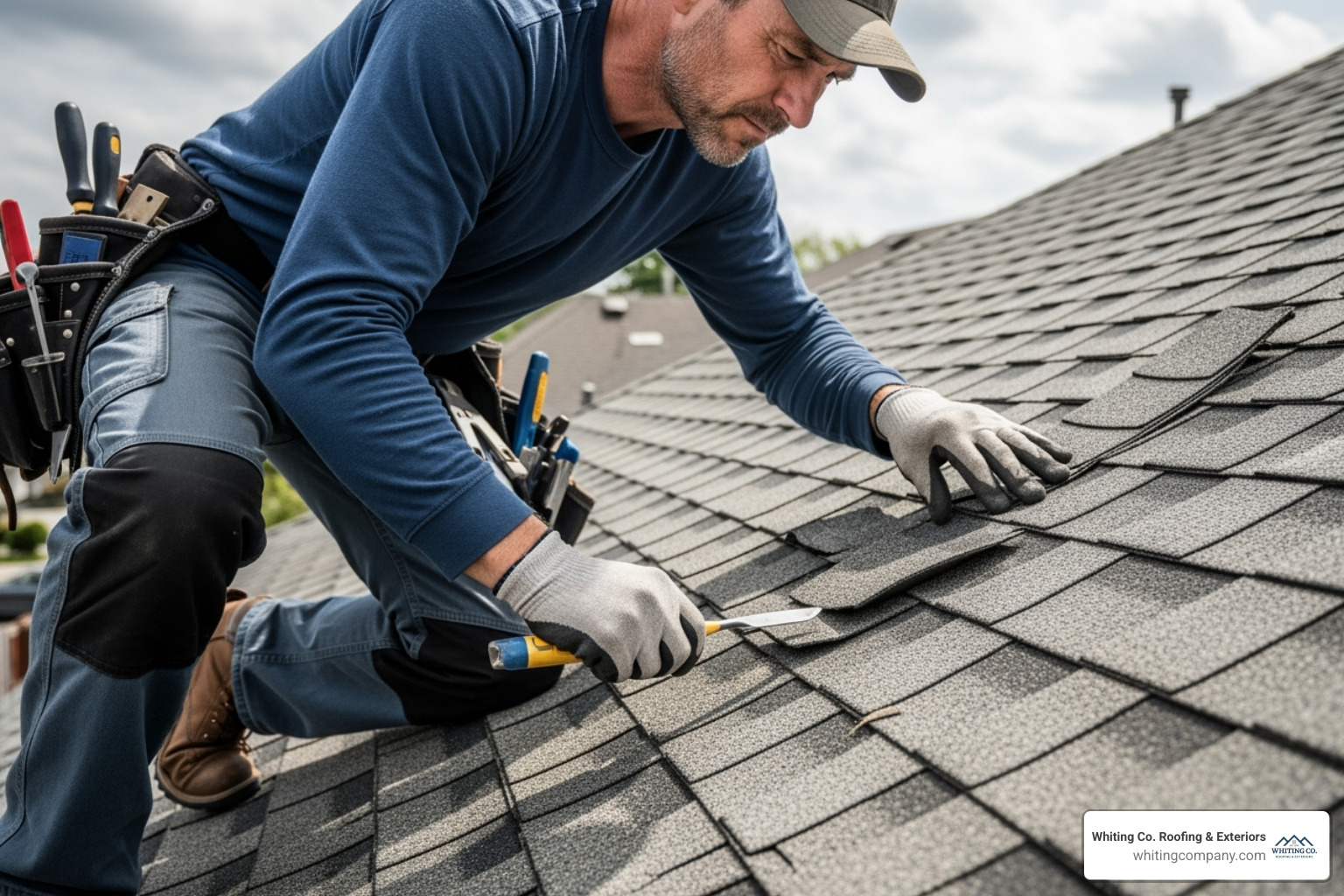
Your roof will show clear signs when it has reached the end of its functional life. Look for these indicators:
- Advanced Age: Most asphalt shingle roofs last 15-30 years. If yours is over 20, it’s time to consider replacement.
- Widespread Shingle Damage: Look for large areas of cracked, buckling, or curling shingles, which indicates systemic failure.
- Granule Loss: Piles of shingle granules in your gutters or dark, “bald” spots on the roof mean the protective layer is gone.
- Sagging Roof Deck: A visible dip or sag in the roofline is a structural red flag that requires immediate attention.
- Persistent Leaks: Multiple leaks or moisture stains in your attic suggest the entire system’s integrity is compromised.
For a detailed checklist, see A homeowner’s guide to roof damage, which covers issues specific to our region.
When a Simple Roof Repair Makes More Sense
Not every issue demands a full replacement. A repair is often the most cost-effective solution in these situations:
- The Damage Is Isolated: If a storm damaged a small, contained area but the rest of the roof is in good shape, a targeted repair is ideal.
- The Roof Is Young: For a roof under 15 years old, repairing localized problems is usually the best financial choice.
- Minor Leaks: Leaks around flashing for chimneys or vents can often be fixed for $360 to $1,550, extending the life of your existing roof for years.
If a repair costs significantly less than a full replacement and buys you several more years of service, it’s the practical choice. We offer professional roof repair services for exactly these scenarios, providing honest assessments and quality fixes to extend your roof’s life.
Maximizing Value: Your Investment in a New Roof
A new roof is more than an expense; it’s one of the smartest investments you can make in your home. Beyond protecting you from the elements, it boosts property value, improves curb appeal, and can improve energy efficiency. When you view it as a strategic financial decision, the upfront cost to roof a home becomes a clear path to long-term value.
How a New Roof Boosts Your Home’s Value
A new roof is a powerful selling point. According to the 2024 Cost Vs. Value Report, homeowners recoup a significant portion of their investment upon resale:
- Asphalt Shingle Roof: 59% Return on Investment (ROI)
- Metal Roof: 48% Return on Investment (ROI)
Beyond the numbers, a new roof improves curb appeal and removes a major hurdle for potential buyers. It signals that a home is well-maintained, preventing price negotiations over future replacement costs and leading to a faster, more successful sale.
Smart Ways to Save on Your Roof Replacement
You can reduce your total cost without sacrificing quality through strategic planning:
- Schedule Off-Season: Booking your project in the fall or winter, when demand is lower, can often lead to better pricing from contractors.
- Choose Cost-Effective Materials: Architectural asphalt shingles offer a high-end look and a 25-30 year lifespan at a fraction of the cost of premium materials.
- Get Multiple Quotes: Always obtain at least three detailed, itemized quotes to compare prices and ensure all necessary work is included.
- Bundle Services: If you also need new gutters or siding, ask about discounts for bundling the projects together.
- Check Your Insurance: If your roof has storm damage, your homeowner’s policy may cover a large portion of the replacement. We can help you steer the storm damage roof replacement claims process.
The Maryland-Specific Cost to Roof a Home
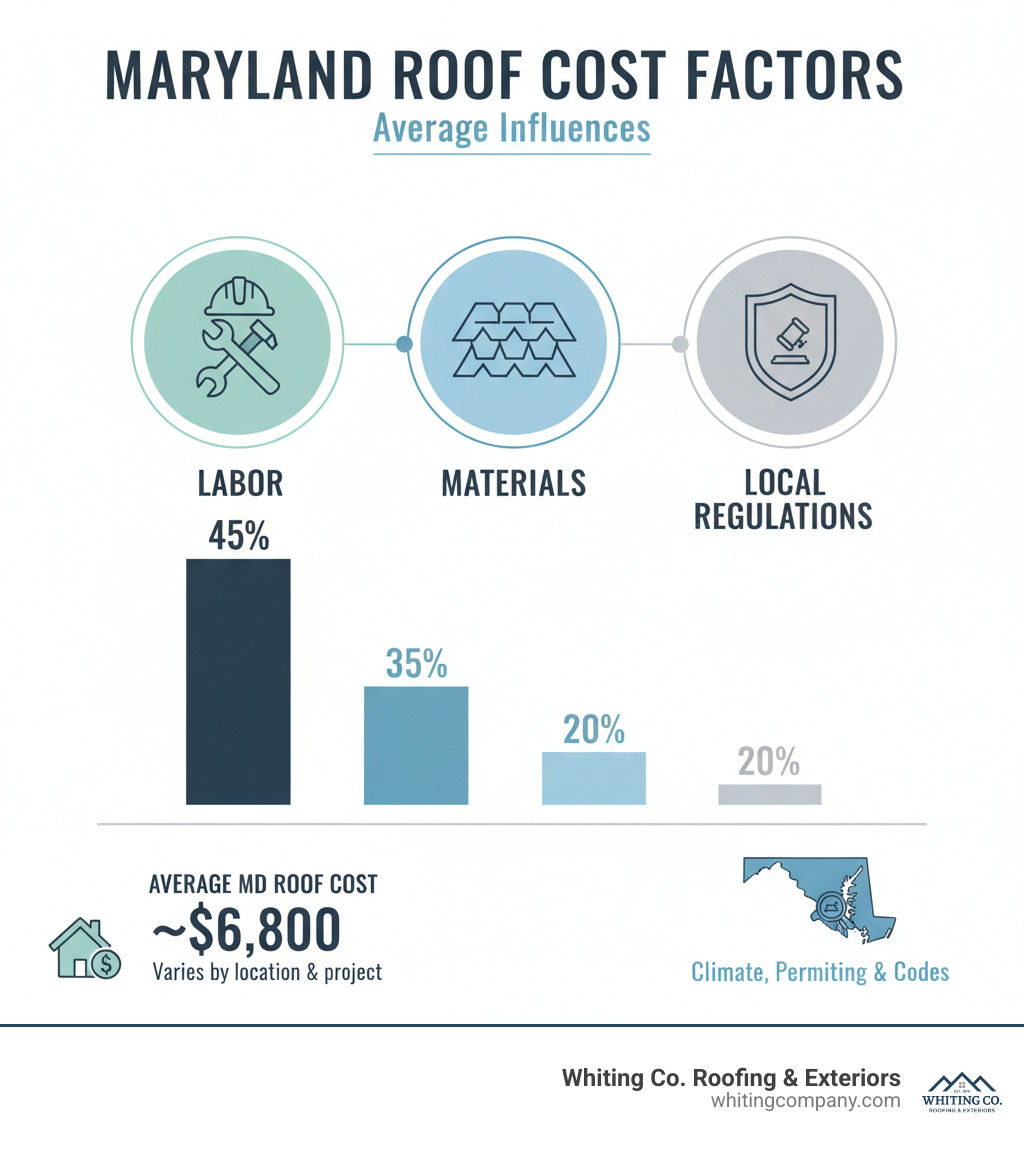
Maryland’s climate presents unique challenges, from humid summers that encourage algae growth to heavy snow and tropical storms. These factors influence material choices and installation methods.
Regional pricing varies, with the Baltimore-Washington corridor, including areas like Columbia, MD, typically having higher labor rates and stricter building codes than the state average. Our climate demands durable materials, proper installation of ice and water barriers for freeze-thaw cycles, and shingles with high wind resistance. Investing in a local contractor with expertise in these Maryland-specific requirements ensures your roof is built to last.
Frequently Asked Questions about Home Roofing Costs
Facing a major investment like a new roof brings up many questions. Here are straight answers to the most common concerns homeowners have about the cost to roof a home.
How long does a roof replacement project typically take?
Most residential roof replacements are completed in one to five days. The exact timeline depends on the roof’s size and complexity, the materials being installed, and the weather. A standard asphalt shingle installation is faster than a metal roof, which requires more precision. A professional crew of five to eight workers ensures the project moves efficiently and safely.
Are there tax deductions for a new roof?
Generally, a new roof on your primary residence is considered a capital improvement, not a tax-deductible expense. You cannot write it off on your annual tax return. However, the cost can be added to your home’s cost basis, which may reduce your capital gains tax liability when you sell. Additionally, installing specific energy-efficient materials, like certain cool roofs or solar systems, may qualify you for federal energy tax credits. Always consult a tax professional for advice custom to your situation.
What should I look for in a roofing contractor?
Choosing the right contractor is the most critical decision of your project. A reputable professional ensures a durable, long-lasting roof, while a poor choice can lead to costly problems. Here’s what to look for:
- Licensed and Insured: Verify that the contractor holds both comprehensive liability insurance and workers’ compensation. Ask to see the certificates.
- Proven Local Experience: A contractor familiar with Maryland’s climate and local building codes is essential for a roof built to withstand regional weather challenges.
- Positive Reviews and References: Check online reviews and ask for references from recent local customers. A reputable company will gladly provide them.
- Detailed Written Estimate: Insist on an itemized quote that breaks down all costs for materials, labor, permits, and disposal. Vague, lump-sum bids are a red flag.
- Strong Warranties: Look for a contractor who offers solid warranties on both materials and labor. This shows confidence in their products and workmanship.
- Manufacturer Certifications: Certifications like GAF Master Elite indicate the contractor has met rigorous training and quality standards. These contractors can often offer improved warranties.
To work with a contractor that meets all these qualifications, schedule a professional roof inspection with our team for a transparent, detailed estimate.
Conclusion
Understanding the cost to roof a home transforms an overwhelming puzzle into a manageable decision. The typical cost ranges from $8,000 to $25,840, influenced by your roof’s size, the materials you select, and the complexity of the installation.
For Maryland homeowners, these decisions are shaped by our unique climate, from humid summers to coastal storms. Partnering with a contractor who understands these local challenges is essential to protect your investment. A new roof is more than an expense—it’s a smart investment in your home’s value, safety, and your own peace of mind.
For nearly 50 years, Whiting Window Siding and Roofing Roofing & Exteriors has helped over 25,000 homeowners in Maryland, D.C., and Virginia make confident roofing decisions. We are committed to transparent pricing, superior craftsmanship, and treating your home as if it were our own. Our local expertise ensures your roof is built to last through decades of Maryland weather.
When you’re ready to move forward, we’re here to provide a detailed assessment and a solution custom to your home and budget. Get a detailed quote for your residential roofing project and experience the difference that local expertise and genuine care can make.