
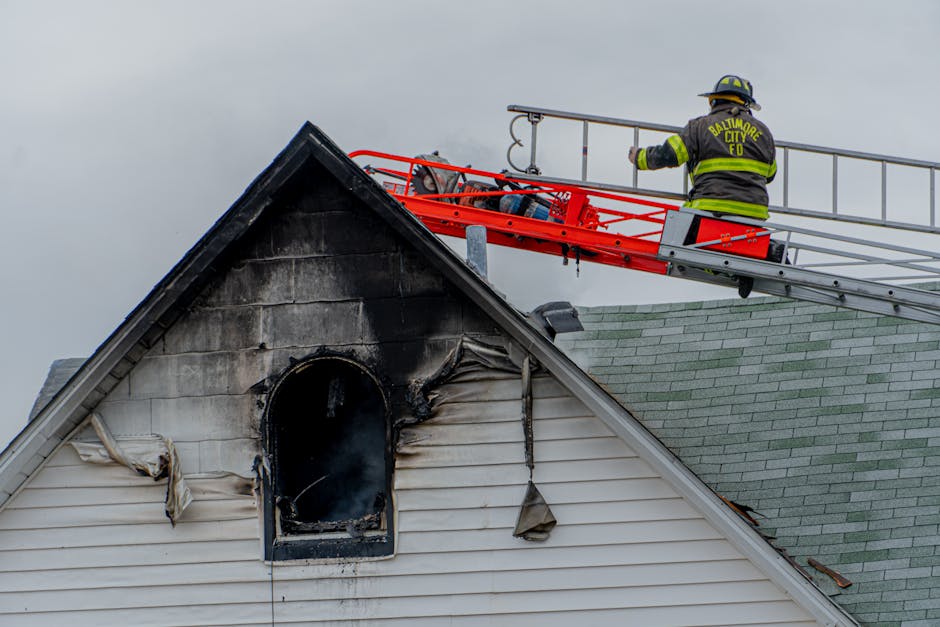
Protecting Your Home Starts at the Top
Residential Roofing is the most critical barrier between your family and the elements. Your roof shields you from rain, snow, wind, and extreme temperatures—yet most homeowners only think about it when something goes wrong. According to the National Roofing Contractors Association (NRCA), over 90% of roof leaks are caused by improper installation or neglected maintenance.
What is Residential Roofing?
Residential roofing refers to the installation, repair, and maintenance of roofs on homes and other buildings designed for people to live in. The main priorities are:
- Protection – Keeping out water, wind, and weather
- Durability – Lasting 20-50 years depending on material
- Energy Efficiency – Reducing heating and cooling costs
- Curb Appeal – Enhancing your home’s appearance and value
Common Residential Roofing Materials:
- Asphalt Shingles – Most popular, 20-25 year lifespan, affordable
- Metal Roofing – 40+ years, weather-resistant, energy-efficient
- Architectural Shingles – Premium look, improved durability
- Cedar Shake – Natural aesthetic, requires maintenance
Choosing the right residential roofing services is essential for safeguarding your investment and ensuring long-term comfort. Poor workmanship, inadequate materials, or unreliable contractors can turn a routine replacement into a costly nightmare.
This guide provides a step-by-step approach to identifying roofing issues, selecting materials, and hiring the best professionals for your Columbia, Maryland home.
I’m Tim Whiting, owner of Whiting Window Siding and Roofing Roofing & Exteriors, and I’ve spent nearly five decades helping Maryland homeowners protect their properties through expert residential roofing solutions. With more than 25,000 projects completed across Maryland, D.C., and Virginia, I’ve seen how the right roof transforms a home’s safety, efficiency, and value.
For trusted, local expertise and comprehensive protection, explore our full range of roofing solutions designed specifically for Maryland homeowners.
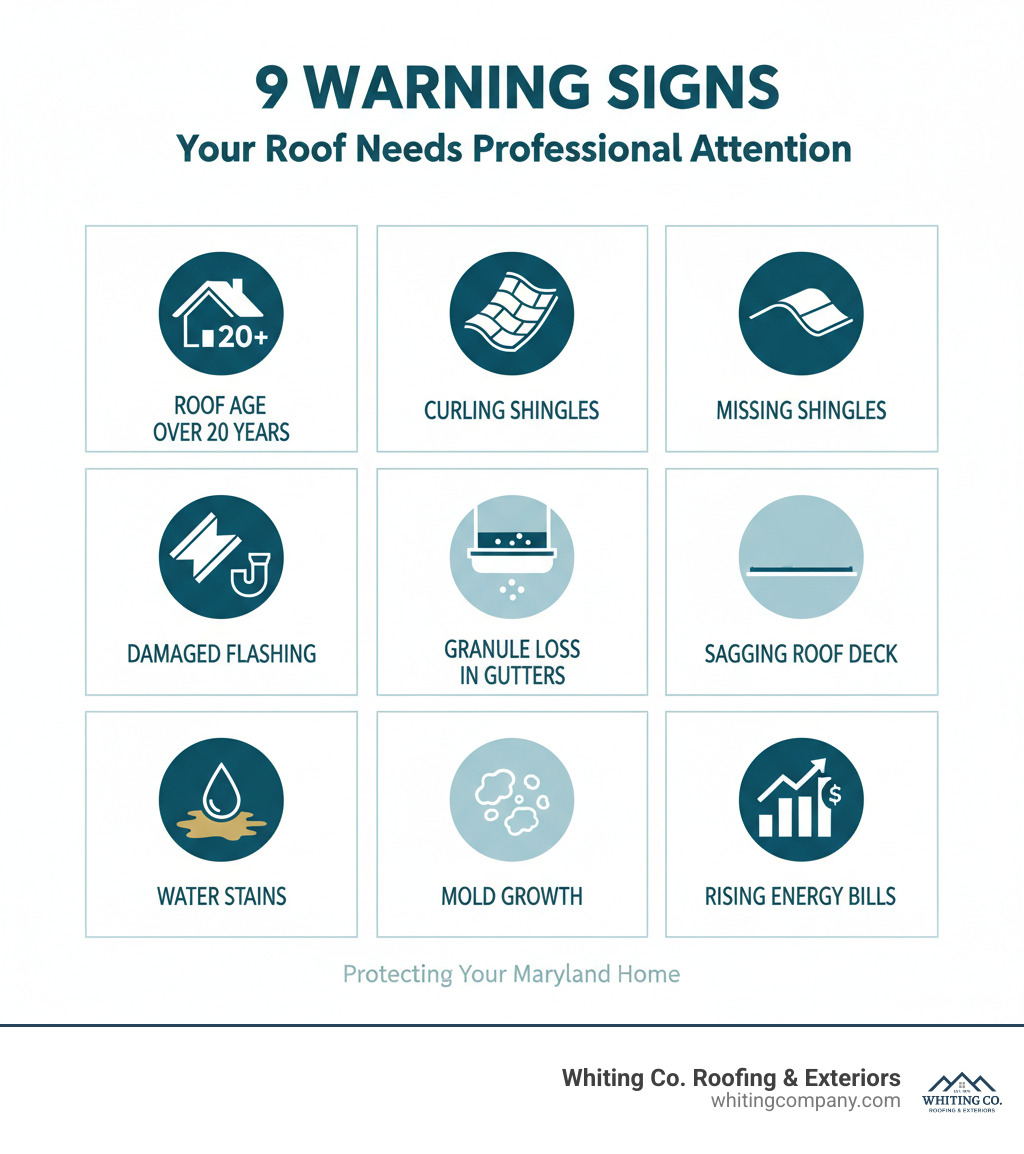
9 Warning Signs Your Roof Needs Professional Replacement
Your roof doesn’t fail overnight. It gives you warnings—subtle at first, then increasingly urgent. The challenge? Most of us don’t spend much time staring at our roofs, so these signals often go unnoticed until a small problem becomes a crisis.
A typical asphalt shingle roof lasts 20-25 years, but Maryland’s climate doesn’t play favorites. Our hot, humid summers, heavy spring rains, and occasional winter ice storms can accelerate wear considerably. What might last 25 years in a milder climate could need attention at 18 or 20 years here. Ignoring early warning signs can result in costly water damage, compromised structural integrity, and emergency repairs that could have been planned and budgeted for.
Proactive inspections help homeowners plan for timely roof replacement on their own terms—not when a leak forces their hand during the next storm. Understanding these indicators is the first step in protecting your home and avoiding those dreaded emergency situations.
Key Indicators of Roof Failure
Your roof works tirelessly, day in and day out, to protect your home. But like any hard worker, it eventually shows signs of fatigue. Recognizing these signals early can save you significant time, money, and stress. Here are nine key indicators that your residential roofing system might be waving the white flag:
Roof age is the most straightforward indicator. Most asphalt shingle roofs are designed to last around 20-25 years. If your roof is nearing or has surpassed this age, it’s a strong candidate for replacement, even if visual signs of damage aren’t immediately apparent. The materials simply degrade over time, losing their protective qualities. Think of it like a car—even if it still runs at 200,000 miles, you know major repairs are coming.
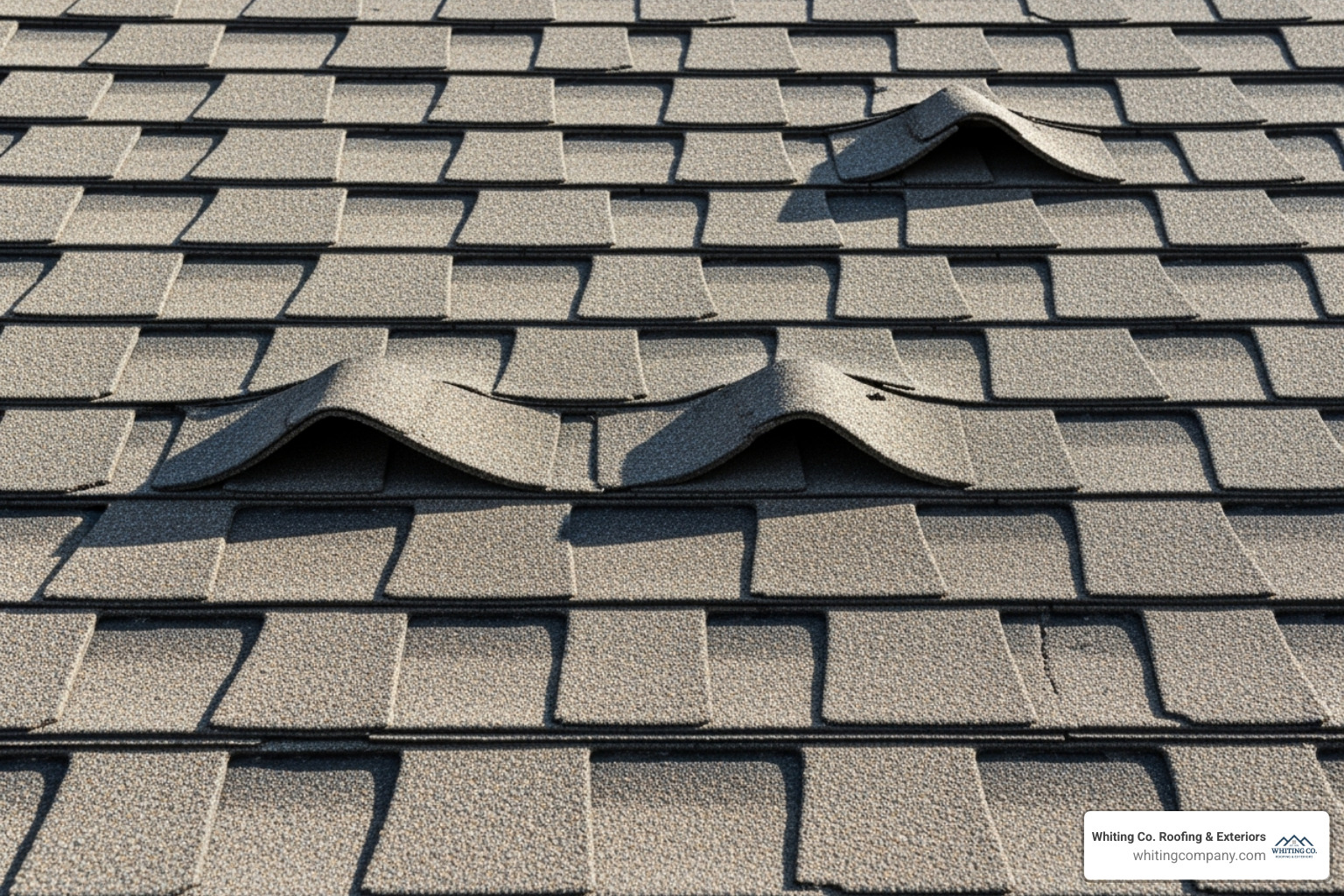
Curling or buckling shingles are one of the most visible warning signs. Look for shingles that are no longer lying flat against the roof. Curling shingles, which can either cup upwards at the edges or claw downwards in the middle, indicate that the shingles are drying out and losing their granules. Buckling—when shingles appear to have waves or ripples—often means there’s an issue with the underlayment or the roof deck beneath. Either way, these shingles have lost their ability to protect your home effectively.
Missing shingles or bald spots are particularly common after Maryland’s spring and summer storms. Strong winds can easily tear away shingles, especially older ones that have lost flexibility. Missing shingles expose the underlayment and roof deck to direct sunlight and moisture, accelerating deterioration. Bald spots, where granules have worn away completely, leave the asphalt exposed to damaging UV rays that break down the material at an accelerated rate.
Damaged flashing is a critical but often overlooked issue. Flashing—the metal or rubber seals around chimneys, skylights, vents, and wall intersections—is crucial for preventing water intrusion at these vulnerable transition points. If you notice cracking, rust, or improper installation around these areas, water can easily seep into your home, causing significant damage to insulation, framing, and interior finishes.
Excessive granule loss in gutters tells a clear story about your roof’s condition. Asphalt shingles are coated with ceramic granules that protect them from the sun’s UV rays and add fire resistance. Some granule loss is normal, especially in the first year after installation. However, if you see a large accumulation of these sand-like granules in your gutters or downspouts—especially if the shingles look noticeably worn—it’s a clear sign that your shingles are aging and losing their protective layer.
A sagging roof deck is a serious issue that requires immediate attention. This isn’t just cosmetic—a sagging roof indicates structural problems. It can be caused by rotting or damaged rafters, long-term water damage weakening the roof decking, or even improper initial installation. If you notice any sagging, dipping, or uneven areas on your roof, don’t wait. This is a clear indication that your roof needs professional evaluation and likely replacement.
Water stains or leaks are perhaps the most obvious sign, though by the time you see them inside your home, water has already been penetrating your residential roofing system for some time. These leaks can originate far from where they appear, traveling along rafters and joists before becoming visible on ceilings or walls. We recommend prompt investigation to prevent mold growth, damaged insulation, and compromised structural integrity.
Mold, mildew, or moss growth might look picturesque on a woodland cottage, but on your roof, it’s trouble. Excessive growth, especially in damp, shaded areas, can trap moisture against your shingles. This accelerates deterioration, lifts shingles, and creates an environment for rot. In Maryland’s humid climate, this is a common issue we address regularly. While small amounts can sometimes be cleaned, extensive growth often indicates that the roof has retained moisture for too long.
Unexplained increases in energy bills might seem unrelated to your roof, but they’re often connected. A failing roof can compromise your home’s insulation and ventilation systems. If your heating and cooling costs are mysteriously rising despite no changes in usage, your roof might not be maintaining a consistent indoor temperature. This could indicate poor insulation, inadequate ventilation, or even damaged roof decking that’s allowing conditioned air to escape.
Understanding these signs empowers you to be proactive rather than reactive. For a comprehensive assessment of your roof’s condition and personalized recommendations custom to Maryland’s climate, consult our guide: Signs Your Roof Needs Repair: A Guide for Maryland Homeowners.
Selecting the Best Roofing Materials and Design for Maryland Homes
The choice of residential roofing material directly impacts your home’s durability, energy efficiency, and curb appeal. Maryland’s weather—hot summers, heavy rain, and winter snow—demands resilient, energy-efficient materials that can stand up to the elements year after year. Our goal is to help you select a roofing system that not only looks great but also performs optimally for decades.
Comparing Top Residential Roofing Materials
When considering a new roof, the sheer number of options can be overwhelming. We’ve simplified the choice by focusing on the most popular and effective materials for Maryland’s climate. Each offers distinct advantages in terms of lifespan, cost, and aesthetic.
| Material Type | Lifespan | Cost (Installation) | Pros | Cons |
|---|---|---|---|---|
| Asphalt Shingles | 20-25 years | $$ | Affordable, wide variety of colors and styles, easy to install and repair. | Shorter lifespan than other materials, susceptible to wind and hail damage. |
| Metal Roofing | 50+ years | $$$$ | Extremely durable, energy-efficient, fire-resistant, and low maintenance. | Higher upfront cost, can be noisy during rain if not properly insulated. |
| Architectural Shingles | 30-50 years | $$$ | Improved durability and wind resistance, dimensional appearance, longer warranties. | More expensive than standard asphalt shingles. |
As you can see, Asphalt Shingles are a popular and cost-effective choice, but for homeowners seeking longevity and superior weather resistance, metal or architectural shingles are excellent investments. For a deeper dive into shingle options, our guide to Asphalt Shingle Roofing can help. Modern materials also offer significant energy efficiency benefits. Cool roof technology, for example, uses reflective granules to bounce sunlight away, keeping your attic and home cooler in the summer. For science-backed criteria on reflectivity and emissivity, see the U.S. Department of Energy’s overview of cool roofs. This UV resistance is a key feature in our Durable Roofing Solutions, designed to lower your energy bills and extend the life of your roof.
Sloped vs. Flat Roofs: Which Is Right for You?
Another key design choice is the roof’s pitch. Most homes in our area feature sloped roofs, and for good reason. They excel at shedding water and snow, which is crucial in Maryland’s climate. Their classic appearance complements a wide range of architectural styles. Flat roofs, while more common in commercial buildings, offer a modern aesthetic and can be repurposed as a patio or green space. However, they require more diligent maintenance to prevent water pooling and leaks. When considering a new roof for your home in Columbia, MD, we can help you weigh the pros and cons of each style to find the perfect fit for your property and budget.