
Does Homeowners Insurance Cover Roof Damage in Maryland? What to Know Before Filing a Claim
Maryland homeowners face a real challenge after storm damage: figuring out what their insurance policy actually covers before filing a claim. Most standard policies cover sudden damage from wind, hail, falling trees, and similar events – but deny claims tied to age, wear, or deferred maintenance. The difference between ACV and RCV coverage matters enormously on older roofs, and Maryland regulations give insurers defined response windows under 2026 state code. Having a licensed contractor’s inspection report before storm season, along with timestamped photos and prior repair records, is the strongest position a homeowner can take into any claim. Whiting Window Siding and Roofing serves homeowners across Odenton, Columbia, Rockville, and the broader Maryland region with professional inspections and documentation that supports successful claims.
Best Roofing Materials for Maryland Weather: Asphalt Shingles, Metal Roofing, Slate, and Flat Roofs Compared
Maryland’s mix of humid summers, icy winters, and heavy annual rainfall puts real demands on roofing materials. Asphalt shingles remain the most practical and cost-effective option for most homeowners, while metal roofing offers better long-term performance for those planning to stay put. Slate is exceptional but requires structural preparation and skilled installation. Flat roof membranes like TPO, EPDM, and PVC each serve different needs, and drainage design is as important as material choice. Maryland homeowners replacing roofs in 2026 may also qualify for federal energy efficiency tax credits up to $1,200 on ENERGY STAR-rated products. Getting the material right from the start saves thousands over the life of the roof.
How Maryland Humidity, Ice, and Summer Heat Affect Your Roof, Siding, and Windows
Maryland’s climate is harder on homes than most homeowners realize. High summer humidity accelerates mold growth and granule loss on roofs, causes siding seams to gap, and destroys window seals. Winter freeze-thaw cycles form ice dams that push water under shingles and crack siding from the inside out. Summer heat regularly pushes rooftop surface temperatures past 150 degrees, aging shingles and warping vinyl siding faster than expected. Knowing which climate threat is doing the most damage, and catching it early, separates homeowners who spend a little on maintenance from those who face five-figure repairs. This guide breaks down exactly how each stressor attacks each exterior system, what early warning signs look like, when repair makes sense versus full replacement, and what 2026 federal energy credits are available for qualifying upgrades in Maryland.
Energy-Efficient Windows in Maryland: What Homeowners Should Know About Comfort, Utility Bills, and Rebates
Maryland homeowners replacing old windows can reduce heating and cooling costs by up to 30%, and 2026 brings a strong combination of incentives to make that upgrade more affordable. The federal Energy Efficient Home Improvement Credit covers 30% of window costs, utility rebate programs through BGE, Pepco, and Delmarva add further savings, and Maryland Energy Administration programs may offer additional support depending on your service territory. Choosing the right product matters: a U-factor of 0.30 or below, low-E glass coating, and ENERGY STAR certification are the key benchmarks for Maryland’s climate. Double-pane windows deliver strong performance for most homes, while triple-pane units suit high-comfort priorities. Always verify your contractor holds an MHIC license before signing anything, and save all product documentation for rebate and tax credit applications.
Do New Windows Really Lower Energy Bills in Maryland? What Homeowners Should Expect
New windows can genuinely lower energy bills for Maryland homeowners, but the actual savings depend on what you’re replacing, which products you choose, and how well they’re installed. Maryland’s climate demands windows with a U-factor below 0.27 and an appropriate Solar Heat Gain Coefficient for year-round comfort. Replacing aging single-pane or failed double-pane units can reduce heating and cooling costs by 10-25% annually. In 2026, a combination of the federal 30% Energy Efficient Home Improvement Credit and Maryland utility rebates through programs like EmPOWER Maryland can offset 20-35% of total project costs. Before committing, an energy audit helps confirm windows are the primary efficiency problem. Always verify contractor MHIC licensing through the Maryland Department of Labor, confirm ENERGY STAR ratings on any window product, and apply for utility rebates before installation begins.
How to Choose a Siding Contractor in Maryland: Questions to Ask Before You Sign
Picking the right siding contractor in Maryland takes more than comparing quotes. Maryland law requires contractors to hold an active MHIC license, carry general liability and workers’ compensation insurance, and pull permits for most exterior work. Skipping any of those steps puts your home, your warranty, and your consumer protections at risk. This guide walks Maryland homeowners through the exact questions to ask before signing, how to verify credentials through the Maryland Department of Labor, what a solid written contract should include, and which siding materials perform best in Maryland’s humid, high-rainfall climate. A brand comparison table, a neighbor state regulatory overview, and a vetting checklist make it easy to move through the process with confidence – whether you’re in Odenton, Columbia, Annapolis, or anywhere across Anne Arundel County.
Gutter Problems That Can Damage Your Maryland Home’s Roof, Siding, Foundation, and Windows
Gutters do far more than manage rainwater – when they fail, the damage spreads to your roof, siding, foundation, and windows simultaneously. Maryland’s 45 inches of annual rainfall, combined with ice storms and humid summers, puts serious stress on gutter systems. Overflowing gutters cause fascia rot and ice dams that lift shingles, sheet water down siding panels causing mold and staining, saturate foundation soil creating basement leaks, and deteriorate window frame caulking. Knowing whether to repair or replace depends on gutter age, material condition, and how much damage has already spread. A proactive inspection and cleaning schedule – twice yearly at minimum – is the most cost-effective way to protect every system connected to your roofline.
Roof, Siding, and Window Replacement Together: When a Full Exterior Upgrade Makes Sense
Replacing your roof, siding, and windows in one coordinated project is often more cost-effective than tackling each system separately. Maryland homeowners face a uniquely demanding climate, with heavy rainfall, humid summers, and freezing winters that age all three exterior systems at similar rates. Bundling the work reduces labor overlap costs, simplifies permitting, and protects newly installed materials from damage during later projects. Federal energy credits available in 2026 can offset a meaningful portion of the total cost when energy-efficient windows and insulation are included. Knowing the right sequence, confirming your contractor holds an active Maryland MHIC license, and understanding what local permit requirements apply are all critical steps before signing anything.
Roof Maintenance 101: Seasonal Tasks That Extend Your Roof’s Lifespan by Years
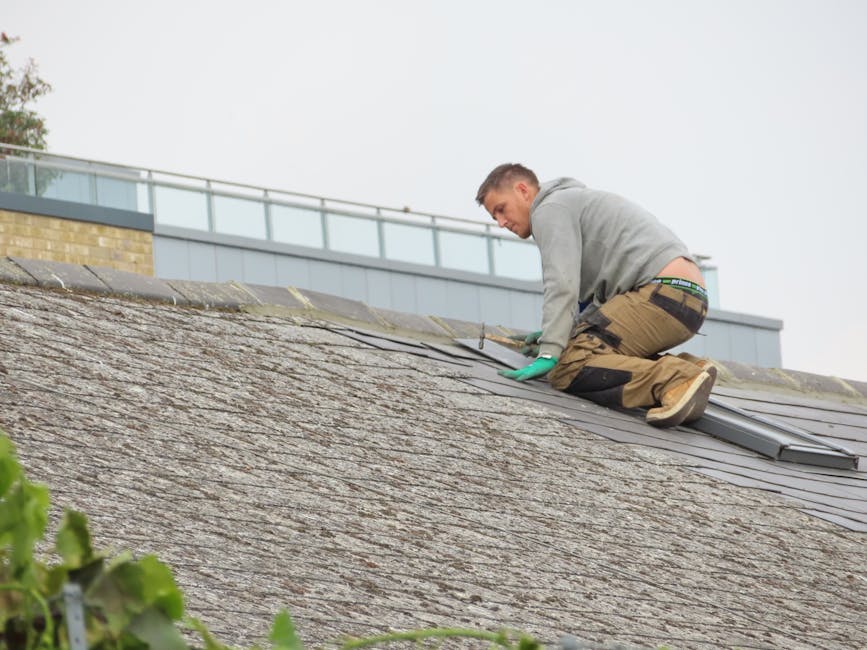
This complete guide provides homeowners with essential seasonal roof maintenance tasks including spring damage assessment, summer ventilation checks, fall storm preparation, and winter monitoring. Covers professional vs DIY approaches, moss removal techniques, and maintenance scheduling. Features detailed FAQ section addressing costs, safety, timing, and contractor selection. Emphasizes how regular maintenance can add 5-10 years to roof lifespan while preventing expensive emergency repairs.
What Causes Roof Fascia Damage and How Much Does Roof Fascia Repair Cost?

Roof fascia damage primarily results from water exposure through clogged gutters, poor ventilation, missing drip edge, and natural aging. Warning signs include peeling paint, water stains, soft wood areas, and gutters pulling away from the house. Minor repairs cost $300-800 per section, while full replacement runs $8-15 per linear foot depending on material choice. Wood fascia lasts 15-25 years, composite 25-30 years, and aluminum 30+ years. Proper gutter installation and regular maintenance prevent most fascia problems. Ignoring damage leads to roof deck rot and interior water damage costing thousands more. Professional assessment helps determine whether repair or replacement offers better long-term value. Emergency repairs are necessary when active water intrusion occurs or gutters fail completely.