
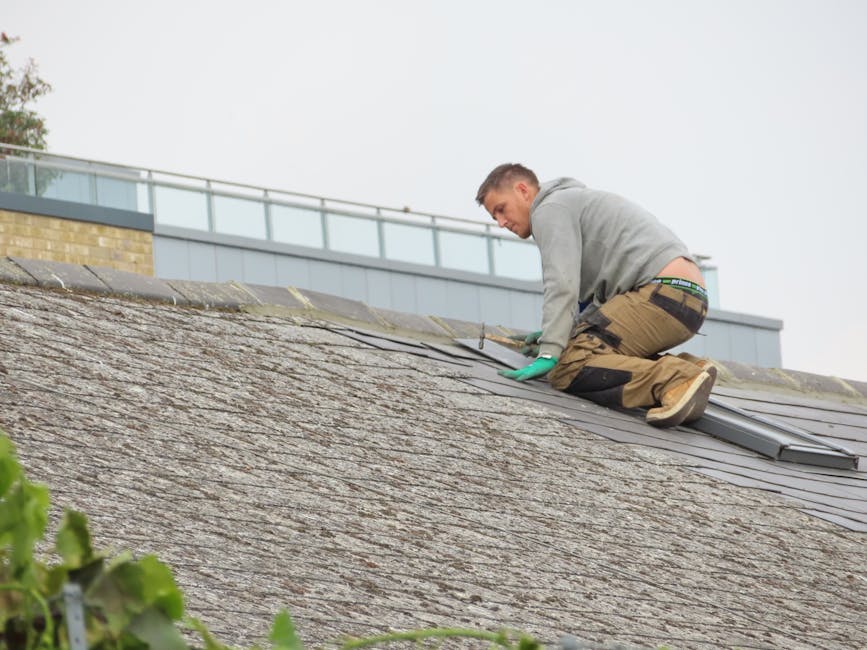
Roof maintenance is a systematic approach to inspecting, cleaning, and repairing your roof to prevent costly damage and extend its functional lifespan. Regular seasonal maintenance can add 5-10 years to your roof’s lifespan while preventing costly emergency repairs.
This guide focuses specifically on homeowners who want to protect their roofing investment through proactive seasonal care.
Roof Maintenance Definition: The practice of performing scheduled inspections, cleaning, and minor repairs throughout the year to preserve roof integrity and prevent major structural damage.
Your roof takes a beating every season. Rain, snow, wind, and UV rays constantly work against the materials protecting your home. But here’s what most homeowners don’t realize—a few hours of seasonal maintenance can prevent repairs that cost $5,000 to $15,000. At Whiting Window Siding and Roofing, we’ve seen how simple preventive care transforms roofing outcomes. Houses in Odenton, Maryland, face unique challenges from humid summers and harsh winters, making seasonal maintenance even more critical.
Spring Roof Maintenance: Recovery and Preparation
Spring is assessment time. Winter weather reveals weak spots that need immediate attention.
Essential Spring Tasks
- Complete visual inspection from ground level using binoculars
- Document winter damage, including loose or missing shingles
- Clear debris from gutters and downspouts
- Check flashing around chimneys, vents, and skylights
- Inspect the attic for water stains or pest intrusion
Ice dams and thermal expansion are the main causes of spring damage. Look for granule loss on asphalt shingles—this signals UV damage that accelerates in summer heat.
Summer Roof Maintenance: Heat Protection and Ventilation
Summer heat tests your roof’s durability. Proper ventilation becomes crucial during Maryland’s humid months. Roof ventilation installation and roof ridge vent installation significantly improve attic airflow, reducing heat buildup that ages shingles prematurely. Ridge vents work with soffit vents to create natural air circulation. Key summer maintenance includes:
- Ventilation check: Ensure all vents are clear and functional
- Tree trimming: Remove branches within 10 feet of the roof
- Gutter maintenance: Clean and repair before storm season
- Professional inspection: Schedule annual assessment during mild weather
How about improving your roof’s performance? Let’s talk. We’ll walk you through your options—no pressure.
Fall Roof Maintenance: Storm Preparation
Fall preparation determines how well your roof handles winter weather. This season focuses on securing loose elements and clearing potential problems. Roof cleaning becomes essential as leaves accumulate in gutters and valleys. Trapped organic matter holds moisture against roofing materials, causing rot and deterioration. Critical fall tasks:
- Deep gutter cleaning, including downspout flushing
- Shingle inspection for wind damage or loosening
- Sealant check around all roof penetrations
- Trim overhanging branches that could fall during storms
Winter Roof Maintenance: Damage Prevention
Winter maintenance is mostly about monitoring and responding to emergencies. Ice dams pose the biggest threat to Maryland roofs. Safe winter practices include:
- Snow load monitoring: Remove excess snow after heavy storms
- Ice dam prevention: Ensure proper insulation and ventilation
- Emergency leak response: Know how to minimize interior damage
- Professional consultation: Call contractors for any structural concerns
Moss Removal: Protecting Your Roof’s Surface
Removing roof moss requires careful technique to avoid damage. Moss grows in moisture-rich areas, particularly on north-facing slopes with limited sunlight. Never pressure-wash moss—this damages shingles and drives water under the materials. Instead:
- Apply moss treatment during dry weather
- Wait for natural die-off (typically 2-4 weeks)
- Gently brush away dead moss with soft bristles
- Improve drainage to prevent regrowth
Professional vs. DIY: Making Smart Choices
Where DIY works: Visual inspections, gutter cleaning, minor debris removal, and basic maintenance tasks that don’t require climbing on the roof.
Where DIY fails: Structural repairs, flashing work, and any task requiring roof access. Falls cause serious injuries, and improper repairs void warranties.
Where professionals succeed: Complete inspections, complex repairs, ventilation installation, and safety-critical work.
Where professionals fail: Cost-effectiveness for minor tasks and immediate response for small issues
. The verdict: Combine both approaches—handle ground-level maintenance yourself but invest in professional inspections and repairs.
Your Roof Maintenance Action Plan
- Step 1 – Create a schedule: Mark seasonal maintenance dates in your calendar
- Step 2 – Gather tools: Binoculars, ladder, basic cleaning supplies, and safety equipment
- Step 3 – Document everything: Photo record of your roof’s condition each season
- Step 4 – Build professional relationships: Establish contact with reliable roofing contractors
- Step 5 – Budget for maintenance: Set aside $300-500 annually for preventive care
Key Takeaways for Maryland Homeowners in 2026
- Seasonal consistency beats emergency response – Regular maintenance prevents costly repairs
- Ventilation is critical – Proper airflow extends shingle life and prevents ice dams
- Professional inspections save money – Annual assessments catch problems early
- Documentation protects your investment – Photo records help with insurance claims
- Safety comes first – Never compromise personal safety for DIY savings
Frequently Asked Questions
How often should I inspect my roof?
Homeowners should inspect their roof four times annually—once each season. Spring and fall inspections are most critical, focusing on damage assessment and storm preparation, respectively.
What’s the average cost of professional roof maintenance?
Professional roof maintenance costs between $300 and $ 600 annually for most homes. This includes bi-annual inspections, gutter cleaning, and minor repairs. Compare this to emergency roof repairs averaging $5,000-$15,000.
Can I clean my own roof safely?
Ground-level cleaning and gutter maintenance can be done safely by homeowners with proper equipment. However, avoid walking on the roof surface or working above a single-story height without professional assistance.
When should I replace my roof rather than maintain it?
Consider replacement when maintenance costs exceed 25% of a new roof’s value annually. Other indicators include widespread granule loss, multiple leaks, and structural damage affecting more than 30% of the surface.
How do I prevent ice dams in winter?
Proper attic insulation and ventilation prevent ice dams by maintaining a consistent roof temperature. Ensure R-38 insulation minimum and adequate ridge venting to allow heat escape.
What tools do I need for basic roof maintenance?
Essential tools include binoculars, an extension ladder, a garden hose, a soft-bristle brush, and safety equipment. Never use pressure washers or metal scrapers, as they can damage roofing materials.
How long does a well-maintained roof last?
Asphalt shingle roofs last 25-30 years with proper maintenance, compared to 15-20 years without. Metal and tile roofs can exceed 50 years when properly cared for.
What’s the biggest maintenance mistake homeowners make?
Delaying repairs after discovering damage is the costliest maintenance mistake. Small problems become expensive structural issues when left unaddressed through multiple weather cycles.
Should I remove snow from my roof?
Remove snow when accumulation exceeds 12 inches or when ice dam formation is evident. Use a roof rake from ground level—never climb on snow-covered roofs.
How do I find a reliable roofing contractor?
Verify licensing, insurance, and local references before hiring any roofing contractor. Get multiple quotes and avoid door-to-door sales after storms—these are often signs of scam operations.
About the Author
The Whiting Window Siding and Roofing Team has been serving Odenton, Maryland, homeowners for over 15 years. Licensed, bonded, and insured with a BBB A+ rating. For more information about our services, visit our homepage or contact us for professional roof maintenance solutions.
Ready to Protect Your Investment?
Your roof represents one of your home’s largest investments. Don’t wait for emergency repairs to force your hand. Proactive maintenance costs a fraction of emergency replacement. Maryland’s weather patterns make seasonal care essential—humid summers and freeze-thaw cycles test even the best materials. Ready to extend your roof’s lifespan? Contact us today for straight answers and real solutions. We’ll assess your roof’s condition and create a maintenance plan that fits your budget and timeline.