
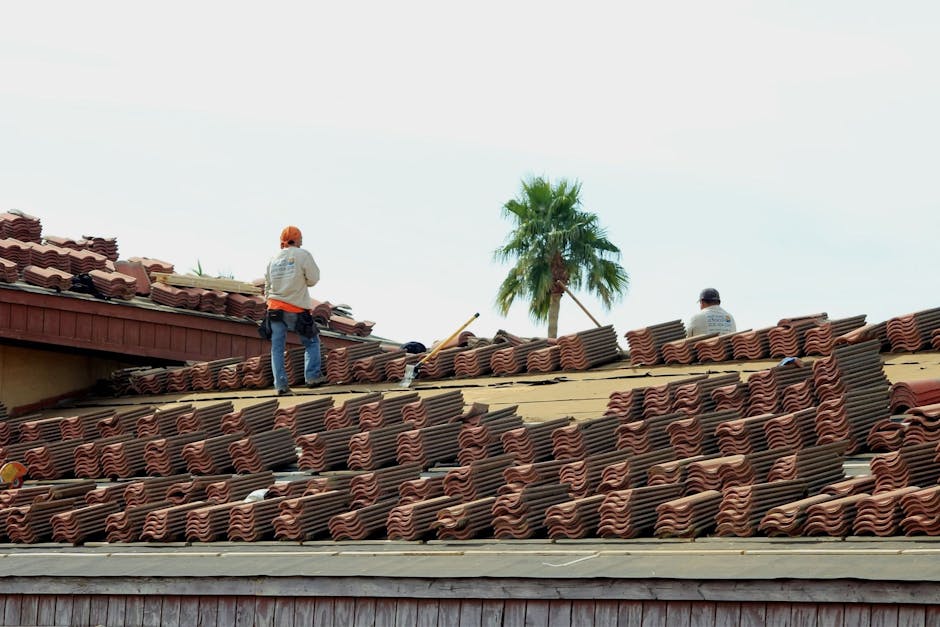
Why Contractor Licensing and Insurance Are Non-Negotiable
Residential roof contractors in Maryland must meet strict licensing and insurance requirements to operate legally. However, many homeowners fail to verify these credentials, exposing themselves to significant financial and legal risks. A contractor’s license is proof of their legitimacy and accountability. With an average roof replacement costing between $5,000 and $10,000, protecting your investment by vetting your contractor is essential.
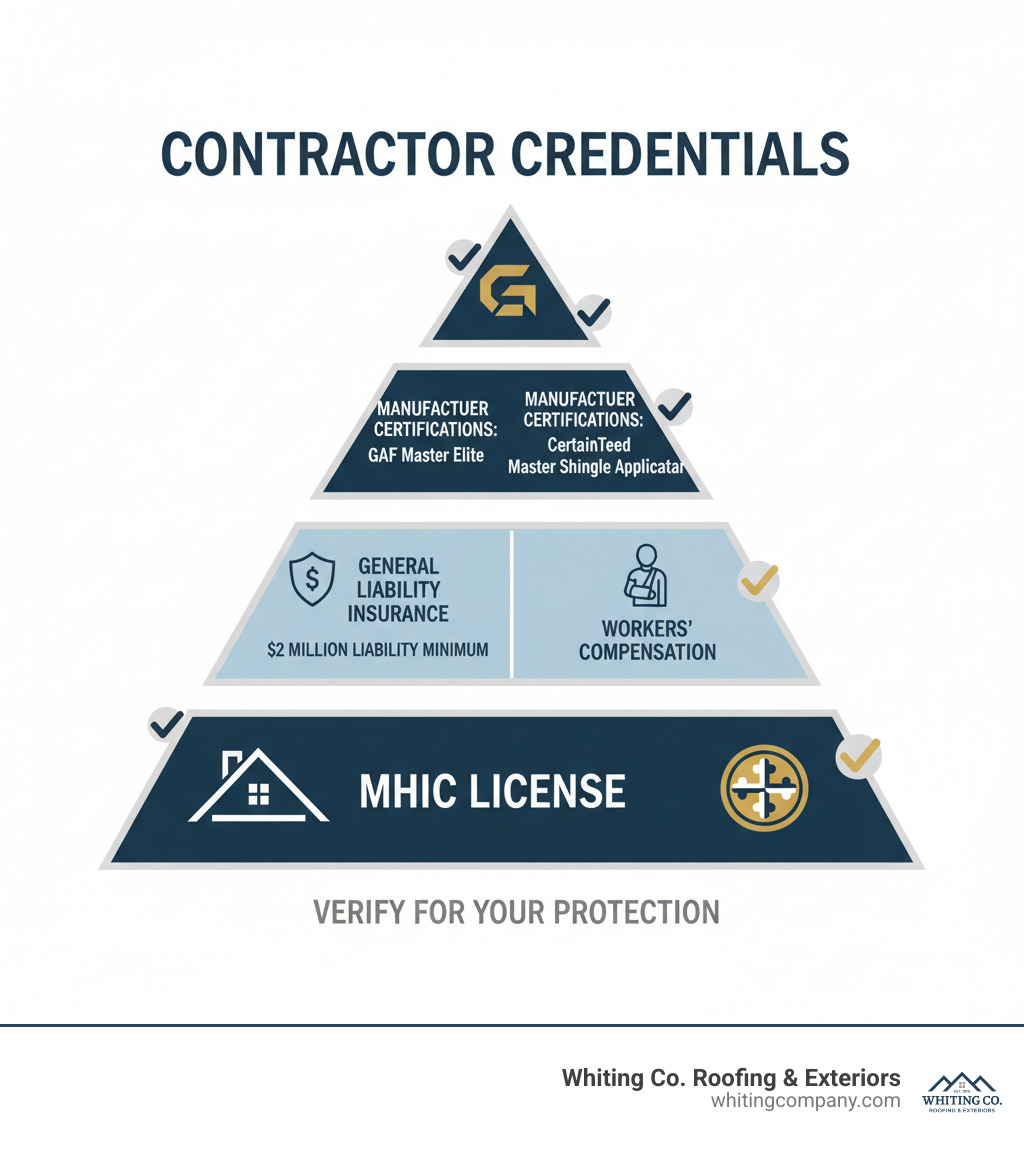
Before hiring, ensure your contractor has:
- Maryland Home Improvement Commission (MHIC) license: Mandatory for residential roofing.
- General liability insurance: Protects your property from damage.
- Workers’ compensation coverage: Shields you from liability if a worker is injured.
- Manufacturer certifications: Ensures proper installation and access to better warranties.
Choosing an unverified contractor can lead to personal liability for injuries, out-of-pocket costs for property damage, voided manufacturer warranties, and no legal recourse for substandard work. As a company with nearly 50 years of experience and over 25,000 completed projects, we at Whiting Window Siding and Roofing Roofing & Exteriors have seen how proper credentials protect homeowners. This guide will show you what to verify to make an informed decision.
The Critical Role of Insurance
A fully insured residential roof contractor carries two essential types of coverage: general liability and workers’ compensation. Think of this as your financial safety net.
- General Liability Insurance: This covers damage to your property during the project. If a tool breaks a window or shingles damage your driveway, the contractor’s insurance pays for it, not you. Reputable contractors often carry at least $2 million in liability coverage.
- Workers’ Compensation: Roofing is a high-risk job. If a worker is injured on your property and the contractor lacks workers’ comp, you could be held liable for their medical bills and lost wages. This insurance protects the crew and shields you from devastating lawsuits.
What Happens if Your Contractor Isn’t Insured?
Hiring an uninsured contractor is a gamble where you bear all the risk. If an accident occurs, you could face:
- Property Damage Liability: You are responsible for paying for any damage the contractor causes to your home or property.
- Injury Lawsuits: You could be sued for medical expenses and lost wages if a worker is injured on your property.
- Project Delays and Out-of-Pocket Costs: Accidents lead to disputes and work stoppages, leaving your home exposed and your wallet empty.
Verifying insurance is a simple step that prevents these catastrophic outcomes.
How to Verify a Residential Roofing Contractor’s Credentials
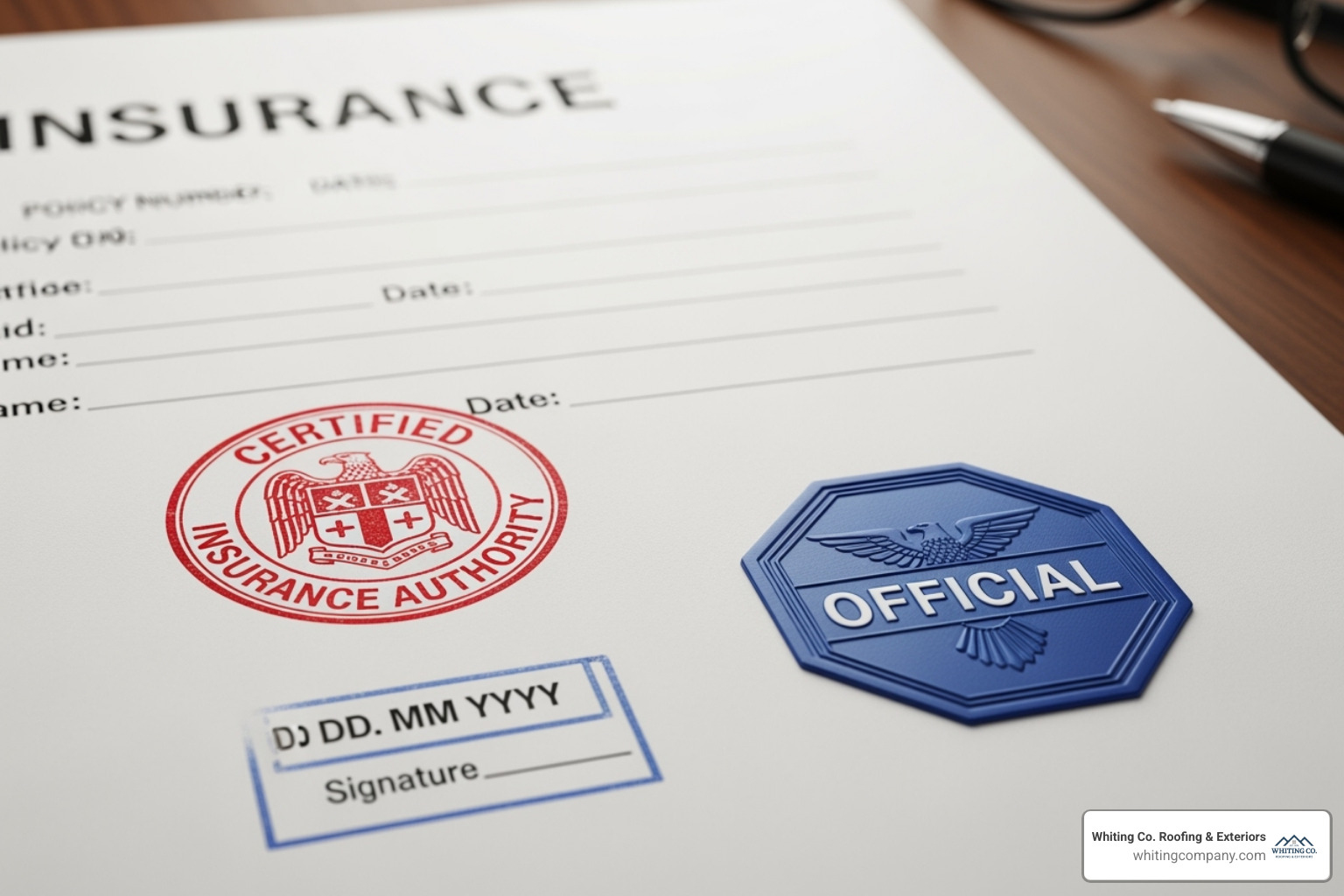
Before signing a contract with any residential roof contractors, verify their credentials. This process is your best defense against fraud, poor workmanship, and financial loss. A reputable contractor will readily provide their license and insurance details. In Maryland, verifying an MHIC license online takes only a few minutes and confirms the contractor meets state standards.
Checking State and Local Licenses
In Maryland, the Maryland Home Improvement Commission (MHIC) license is a legal requirement for any contractor performing residential roofing. This license proves the contractor has met state requirements for experience and financial stability. You can verify a license number on the Maryland Department of Labor’s website to check its status and review any disciplinary actions.
Beyond the state license, most roof replacements require county-specific permits to ensure compliance with local building codes. A professional contractor will handle the permitting process for you. Never work with a contractor who suggests skipping this step.
Online tools like the Better Business Bureau can also help you find a trusted local roofer by providing customer reviews and complaint histories. For those in our service area, our guide to Roofing Companies in Columbia, MD can help you find qualified professionals.
Understanding Manufacturer Certifications
While a state license confirms a contractor is legal, manufacturer certifications indicate their level of expertise. These certifications are earned through specialized training and a proven track record of quality, granting you access to superior warranties.
-
GAF Master Elite® Certification: Awarded to less than 2% of roofing contractors nationwide, this is the industry’s gold standard. Master Elite® contractors can offer GAF’s Golden Pledge® Limited Warranty, which covers both material defects and workmanship for up to 50 years—a level of protection unavailable from standard installers. You can find Top Maryland Roofing Contractors Certified by GAF on their official site.
-
CertainTeed Master Shingle Applicator: This certification signifies advanced proof of training on CertainTeed products and installation methods. Proper installation is critical for a roof’s longevity, and certified installers minimize the risk of premature failure due to workmanship errors.
The primary benefit of these certifications is access to improved warranties that cover both materials and labor, giving you comprehensive protection for your investment.
Reading Reviews and Checking References
Credentials tell one part of the story; customer experiences tell the rest. Use online resources to get a complete picture of a contractor’s performance.
-
Better Business Bureau (BBB) Rating: An A+ rating indicates a contractor has a history of resolving customer issues and operating ethically. Check for patterns of unresolved complaints.
-
Online Reviews: Platforms like Google and Yelp offer unfiltered feedback. Look for consistent themes regarding professionalism, communication, and timeliness. How a contractor responds to negative feedback is also revealing.
-
Local References: Ask for a list of recent, local customers you can speak with. Inquire about their experience with project timelines, budget, and communication. Seeing a contractor’s portfolio of past work or driving by a completed project in your area provides tangible proof of their quality. Our Testimonials page showcases feedback from our satisfied clients.
Key Factors for Choosing the Right Contractor
Once you’ve confirmed that residential roof contractors are licensed and insured, the next step is to find the right fit for your home improvement project. This involves evaluating their experience, local expertise, and the clarity of their contract.
Experience and Local Expertise
Experience is a direct indicator of a contractor’s reliability and ability to deliver lasting results. A company that has been in business for decades has a proven track record and a reputation to uphold.
-
Years in Business: A long-established contractor has likely encountered and solved a wide range of roofing challenges, refining their processes and building strong supplier relationships. Our nearly 50 years in business at Whiting Window Siding and Roofing Roofing & Exteriors represents a legacy of trust.
-
Local Reputation: A contractor with deep roots in the community understands local building codes, weather patterns, and architectural styles. This knowledge is crucial for addressing Maryland climate challenges, from humid summers that cause algae growth to harsh winters with ice and snow. Check our About Us page to learn more about our local commitment.
-
Storm Damage Experience: Given Maryland’s susceptibility to severe weather, a contractor skilled in identifying hail or wind damage and assisting with insurance claims is invaluable.
Evaluating the Contract and Quote
A detailed contract is your protection against misunderstandings and unexpected costs. A transparent quote should clearly outline every aspect of the project.
Key elements to look for in a contract include:
- Detailed Scope of Work: A clear description of all tasks, from tear-off to final cleanup.
- Specific Material List: The brand, type, and color of all materials to be used (shingles, underlayment, etc.). This prevents a “bait and switch.” We detail all options in our New Roof Quotes.
- Clear Payment Schedule: A reputable contractor will request a partial upfront payment (typically 10-30%), not the full amount. As Angi notes, a reputable contractor should only ask for a partial payment upfront.
- Project Timeline: Realistic start and estimated completion dates, with clear communication about any weather-related delays.
[LIST] of Essential Questions to Ask Your Potential Residential Roof Contractors
Asking direct questions helps you vet contractors effectively. A professional will welcome your diligence.
- What is your full company name and physical address? (Verifies they are an established, local business.)
- Can you provide your MHIC license number and proof of insurance? (Non-negotiable for legal and financial protection.)
- Are you a certified installer for the roofing materials you offer? (Indicates specialized training and access to better warranties.)
- Who is my project manager, and how will we communicate? (Establishes a clear point of contact.)
- How do you handle unforeseen issues, like rotted decking? (Shows transparency and preparedness.)
- What warranties do you offer on workmanship and materials? (Confirms they stand behind their work.)
- Can you provide recent local references? (Allows you to verify their reputation with past clients in areas like Columbia, MD.)
The Roof Replacement Process: What to Expect
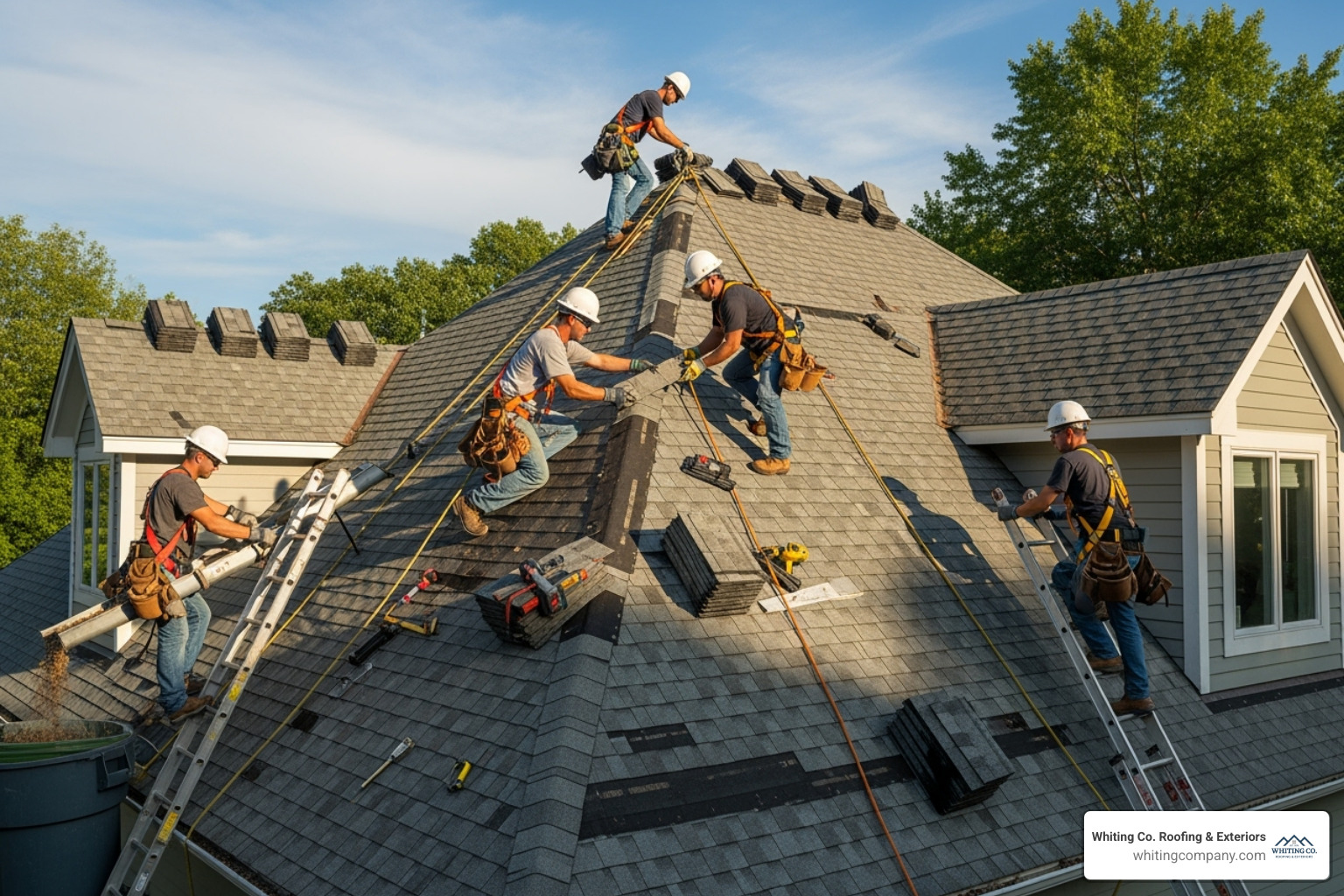
A full Roof Replacement is a significant project, but a professional residential roof contractor ensures it’s a smooth and efficient experience. Most residential replacements take 1-3 days, depending on the home’s size, complexity, and weather. The process is systematic, designed to minimize disruption while maximizing quality and protection for your home.
From Initial Inspection to Final Walk-Through
A successful roof replacement follows a clear, multi-step process to ensure quality from start to finish.
- Comprehensive Inspection: The project begins with one of our Roof Inspection Services to assess your current roof’s condition and identify any underlying issues. This allows for an accurate quote and prevents surprises.
- Property Protection: On installation day, the crew protects your landscaping, driveway, and siding with tarps before any work begins.
- Tear-Off and Decking Inspection: The old roofing materials are removed down to the wood decking. This “findy phase” reveals any hidden rot or water damage, which must be repaired to ensure a solid foundation for the new roof.
- Installation of the New Roofing System: The new roof is built in layers. First, a water-resistant underlayment is installed. Next, new flashing is placed around chimneys, vents, and valleys to prevent leaks. Finally, your chosen roofing material is installed according to strict manufacturer specifications.
- Thorough Cleanup: After installation, the crew cleans the entire property, using magnetic sweepers to collect stray nails and removing all debris. The only thing left behind should be your new roof.
- Final Walk-Through: A final inspection is conducted with you to ensure your complete satisfaction. We review the work, answer questions, and provide all warranty documentation.
Understanding Roofing Materials and Warranties
Choosing the right material involves balancing budget, aesthetics, and long-term performance. Understanding the warranties that protect them is equally important.
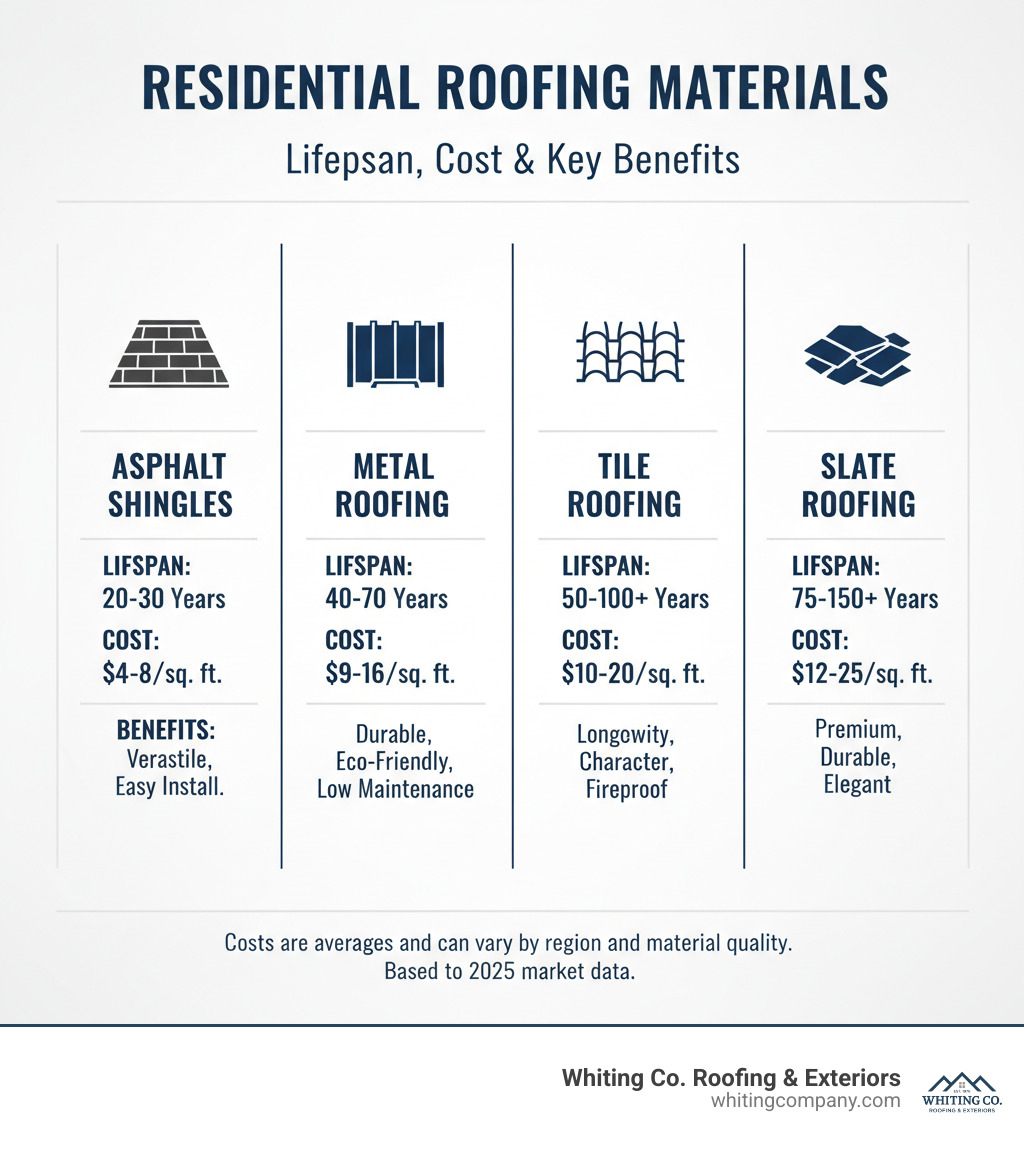
Common Roofing Materials:
- Asphalt Shingles: The most popular choice, offering a great balance of affordability and performance with a lifespan of 20-30 years. Quality matters, as premium shingles provide better durability and warranties.
- Metal Roofing: A long-term investment lasting 40-70 years. Metal is highly durable, energy-efficient, and low-maintenance, often proving more economical over its lifespan.
- Slate and Tile: Premium options offering unparalleled beauty and longevity (50-100+ years). They are heavier and require specialized installation but provide timeless appeal. Explore these options on our Roofing Materials page.
Decoding Warranties:
- Manufacturer Warranty: Covers defects in the roofing materials themselves. The length and terms vary, so always read the fine print.
- Workmanship Warranty: Covers the quality of the installation. This is your contractor’s promise to fix any issues arising from their work, typically for 5-10 years or more.
Certified contractors can offer improved system warranties that cover both materials and workmanship, providing the most comprehensive protection. You can see our easy-to-follow guide to warranties to learn more.
Frequently Asked Questions about Hiring Roofers
As experienced residential roof contractors, we’ve answered thousands of homeowner questions. Here are some of the most common ones.
What are the signs my roof needs to be replaced?
Waiting for a leak is a costly mistake. Look for these early warning signs:
- Cracked, curling, or missing shingles.
- Large amounts of shingle granules in your gutters.
- A sagging roof deck.
- Water stains on interior ceilings or walls.
- A roof that is 20-25 years old or older.
Our guide on Signs Your Roof Needs Repair offers a more detailed checklist.
How much does a new roof cost?
The cost of a new roof typically ranges from $5,000 to $10,000 but can exceed $20,000. A personalized quote is essential, as the final price depends on several factors:
- Roof Size and Pitch: Larger, steeper roofs cost more.
- Material Choice: Asphalt is most cost-effective; metal, slate, and tile are premium options.
- Labor and Removal: Costs include tearing off and disposing of the old roof.
- Decking Repairs: Replacing rotted wood will add to the cost.
- Location: Labor and material costs vary by region.
What services do residential roof contractors offer?
Professional contractors provide a wide range of services to protect your home’s exterior. Common offerings include:
- New Roof Installation and Replacement: Installing a complete roofing system on a new or existing home.
- Roof Repairs: Fixing leaks, replacing damaged shingles, and addressing flashing issues.
- Roof Inspections and Maintenance: Assessing roof health and performing preventative care.
- Storm Damage Restoration: Repairing damage from severe weather and assisting with insurance claims.
- Other Exterior Services: Many full-service contractors, like Whiting Window Siding and Roofing, also offer siding, window, door, and gutter services. Explore our complete list of Exterior Services to see how we can protect your entire home.
Conclusion: Partnering with a Professional for Lasting Protection
Your roof is your home’s primary shield against the elements. Choosing the right residential roof contractors is a critical decision that will affect your home’s safety and value for decades. By verifying licenses, insurance, and certifications, you invest in peace of mind and protect yourself from liability and poor workmanship.
A reputable contractor provides more than just materials; they offer local expertise, transparent contracts, and solid warranties. For homeowners in Maryland, a contractor who understands our unique climate—from humid summers to icy winters—is essential for a long-lasting roofing solution.
At Whiting Window Siding and Roofing Roofing & Exteriors, we have spent nearly 50 years protecting homes across Maryland. Our GAF Master Elite® certification and thousands of satisfied customers are a testament to our commitment to quality. We treat your home as if it were our own.
Ready to partner with a team you can trust? Explore our Residential Roofing solutions and request a detailed quote today to find why Maryland homeowners have relied on us for nearly half a century.