
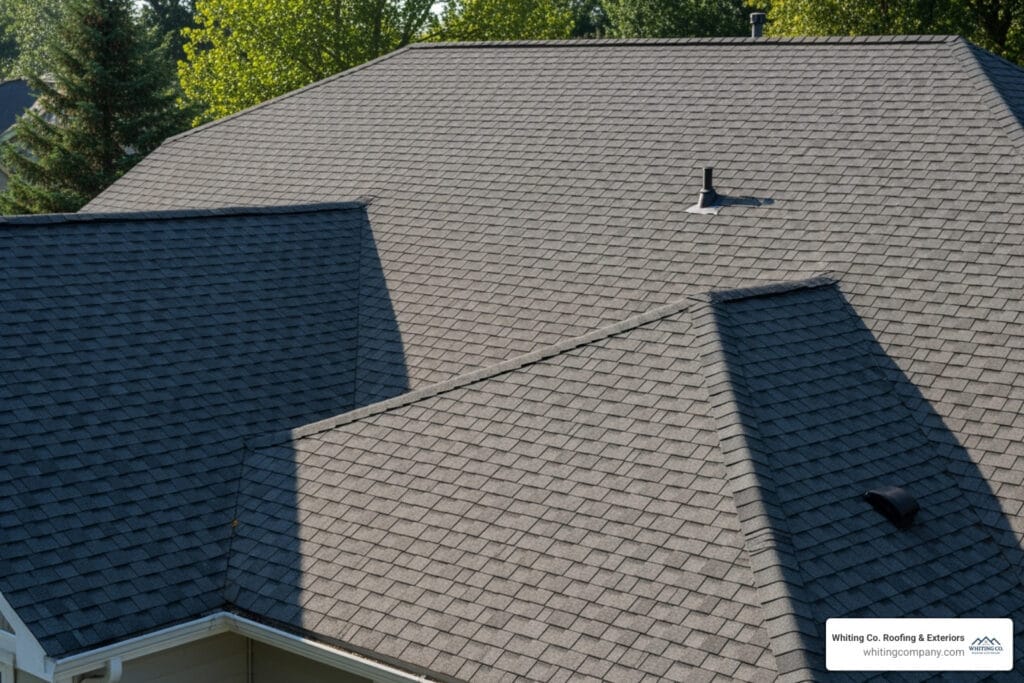
Commercial roofing systems using TPO, EPDM, and PVC membranes each offer distinct advantages for flat roof applications. Understanding these differences helps building owners make informed decisions that protect their investment and minimize long-term maintenance costs.
This guide focuses specifically on helping commercial property owners in Maryland and surrounding areas choose the right flat roof membrane system for their building’s unique needs.
Commercial Roofing Membranes Definition: Single-ply roofing systems designed to create a waterproof barrier over flat or low-slope commercial buildings, with TPO, EPDM, and PVC being the three most popular options in 2026.
Choosing the wrong commercial roofing system can cost your business thousands in repairs and energy waste. With so many membrane options available, which one actually works best for your building? The truth is, each system has specific strengths that make it ideal for certain situations. Let’s break down exactly what you need to know about TPO, EPDM, and PVC roofing so you can make the right choice.
TPO Roofing: The Energy-Efficient Choice
Thermoplastic Polyolefin (TPO) has become increasingly popular for commercial roof installations. This white, reflective membrane helps reduce cooling costs by reflecting sunlight away from your building.
TPO Advantages:
- Excellent energy efficiency with high reflectivity
- Heat-welded seams create strong, permanent bonds
- Resistant to UV radiation, ozone, and chemical exposure
- Cost-effective installation compared to PVC
- Available in multiple thicknesses (45, 60, 80 mil)
TPO Drawbacks:
- Newer technology with less long-term performance data
- Quality varies significantly between manufacturers
- Some formulations have shown premature cracking
- Not ideal for buildings with heavy foot traffic
TPO roofing typically costs $8-14 per square foot installed and carries warranties ranging from 10-20 years. The material works best on buildings where energy efficiency is a priority and foot traffic is minimal.
EPDM Roofing: The Proven Performer
Ethylene Propylene Diene Monomer (EPDM), also known as rubber roofing, has been protecting commercial buildings for over 40 years. This black membrane offers proven durability and straightforward installation.
EPDM Advantages:
- Decades of proven performance in all climates
- Excellent flexibility, even in extreme temperatures
- Simple installation reduces labor costs
- Outstanding resistance to hail and impact damage
- Easy to repair with standard tools and materials
EPDM Drawbacks:
- Black color absorbs heat, increasing cooling costs
- Seams are adhesive-bonded, not heat-welded
- More susceptible to punctures than other systems
- Limited color options (mostly black)
EPDM typically costs $7-12 per square foot installed. While it may increase cooling costs compared to reflective systems, its reliability and ease of maintenance make it a solid choice for many commercial applications.
PVC Roofing: The Premium Solution
Polyvinyl Chloride (PVC) roofing offers premium performance with excellent chemical resistance and strong seam strength. This system works particularly well for buildings with rooftop equipment or regular maintenance access.
PVC Advantages:
- Superior chemical and fire resistance
- Heat-welded seams are stronger than the membrane itself
- Excellent puncture resistance
- Energy-efficient white surface
- Outstanding performance around HVAC equipment
PVC Drawbacks:
- Higher material and installation costs
- Can become brittle in extreme cold
- Plasticizers may migrate over time
- Limited color selection
PVC roofing typically costs $10-15 per square foot installed. The higher upfront investment often pays off through reduced maintenance and longer service life, especially in challenging environments.
TPO vs EPDM vs PVC: Which System Works Best?
Where TPO succeeds: Energy efficiency, cost-effectiveness, and buildings with minimal rooftop activity. Heat-welded seams provide excellent waterproofing when properly installed.
Where TPO fails: inconsistent quality across manufacturers and limited long-term performance data. Some formulations have experienced premature failure.
Where EPDM succeeds: Proven reliability, easy repairs, and excellent weather resistance. Four decades of performance data prove its durability.
Where EPDM fails: Energy efficiency due to heat absorption and adhesive-bonded seams that may require more frequent maintenance.
Where PVC succeeds: Chemical resistance, seam strength, and durability around rooftop equipment. Excellent for restaurants, manufacturing, and high-traffic applications.
Where PVC fails: Higher costs and potential brittleness in extreme cold conditions.
The verdict: Choose PVC for premium performance and challenging conditions, TPO for energy efficiency on a budget, and EPDM for proven reliability with easy maintenance.
Your Commercial Roofing Decision Framework
- Step 1 – Assess Your Building: Consider roof traffic, nearby equipment, and environmental factors like chemical exposure or extreme weather.
- Step 2 – Evaluate Energy Needs: Calculate potential cooling cost savings from reflective membranes versus dark EPDM absorption.
- Step 3 – Set Your Budget: Factor in both upfront costs and long-term maintenance expenses for each system.
- Step 4 – Review Local Conditions: Maryland’s climate works well with all three systems, but consider specific building exposure and usage patterns.
- Step 5 – Choose Quality Installation: Proper installation matters more than membrane choice – work with experienced commercial roofing contractors.
Thinking about this for your situation? Let’s talk. We’ll walk you through your options—no pressure.
Making the Right Choice for Your Maryland Commercial Building
The best commercial roofing system depends on your specific building, budget, and priorities. Energy-conscious building owners often prefer TPO or PVC for their reflective properties. Facilities managers who value proven performance and easy repairs frequently choose EPDM. At Whiting Window Siding and Roofing, we’ve installed all three systems across Odenton, Maryland, and surrounding areas. Each has its place in commercial roofing applications. For buildings with restaurants, manufacturing operations, or heavy rooftop equipment, PVC’s chemical resistance and puncture resistance often justify the higher cost. Retail and office buildings with minimal roof access benefit from TPOs’ energy efficiency and cost-effectiveness. Warehouses and industrial facilities appreciate EPDM’s proven durability and straightforward maintenance. Ready to take the next step? Contact us today for straight answers and real solutions.
Key Takeaways for Commercial Building Owners in 2026
- Energy Efficiency Matters – Reflective TPO and PVC systems can significantly reduce cooling costs in Maryland’s hot summers
- Installation Quality Trumps Material Choice – Even premium PVC will fail with poor installation, while properly installed EPDM can last decades
- Consider Total Cost of Ownership – Factor in energy savings, maintenance costs, and expected lifespan, not just upfront price
- Match System to Building Use – Chemical exposure, foot traffic, and rooftop equipment all influence the best membrane choice
- Work with Local Experience – Choose contractors familiar with Maryland weather patterns and local building codes
Frequently Asked Questions
How long does each commercial roofing system last?
EPDM typically lasts 20-25 years, TPO 15-20 years, and PVC 20-30 years with proper maintenance. Actual lifespan depends on installation quality, building conditions, and maintenance practices. Regular inspections extend the life of any system.
Which system costs the least to install?
EPDM generally offers the lowest installation cost at $7-12 per square foot. TPO ranges $8-14 per square foot, while PVC costs $10-15 per square foot. However, energy savings and longevity can offset higher upfront costs.
Can these systems handle Maryland’s weather conditions?
All three systems perform well in Maryland’s climate when properly installed. EPDM excels in temperature extremes, TPO provides excellent UV resistance, and PVC handles both heat and chemical exposure effectively.
Which system requires the least maintenance?
PVC typically requires the least maintenance due to its chemical resistance and strong seam strength. EPDM maintenance is straightforward but may need more frequent seam attention. TPO maintenance varies by manufacturer quality.
Does my current roof need to be replaced?
Signs include frequent leaks, visible membrane cracking, pooling water, or significantly higher energy bills. A professional inspection can determine whether repairs are sufficient or if commercial roof installation is needed.
Are there financing options for commercial roofing projects?
Most commercial roofing contractors offer financing plans or can recommend commercial lending options. Energy-efficient systems may qualify for utility rebates or tax incentives in Maryland.
Which system works best for restaurants or food service?
PVC roofing performs best around commercial kitchens due to its superior chemical and grease resistance. The heat-welded seams and puncture resistance also handle the demands of restaurant rooftop equipment.
Can I install solar panels on these roofing systems?
Yes, all three systems can accommodate solar installations with proper planning and installation techniques. PVC and TPO’s reflective surfaces work particularly well with solar arrays by keeping panels cooler.
What’s the difference between fully adhered and mechanically attached systems?
Fully adhered systems bond directly to the roof deck, while mechanically attached systems use fasteners and cover boards. Adhered systems typically cost more but offer better wind resistance and aesthetics.
How do building codes affect commercial roofing choices in Maryland?
Maryland building codes specify minimum fire ratings, wind resistance, and insulation requirements for commercial roofing. All three membrane types can meet code requirements when properly specified and installed.