
Residential roofing materials are the protective layers that shield your home from the weather while affecting energy efficiency, curb appeal, and long-term maintenance costs. Choosing the right material determines both your home’s protection and your wallet’s health for decades to come.
This guide focuses specifically on helping homeowners compare shingle, flat, and slate roofing materials to make the best decision for their specific home and budget.
Roofing Material Comparison Definition: A systematic evaluation of different roofing materials based on durability, cost, climate suitability, maintenance requirements, and aesthetic appeal to determine the optimal choice for a specific home.
Your roof isn’t just about keeping rain out. It’s one of your home’s biggest investments, and the wrong choice can cost you thousands in repairs, energy bills, and headaches. After working with countless homeowners in Maryland, we’ve seen the same mistakes repeated: people choosing materials based solely on price, ignoring their local climate, or falling for marketing hype.
Let’s break down what really matters when comparing these three popular roofing options.
Understanding Your Three Main Roofing Options
Asphalt shingle roofing dominates residential markets because it balances affordability with decent performance. These layered materials are available in architectural or three-tab styles and typically last 20 years to a lifetime warranty with proper maintenance.
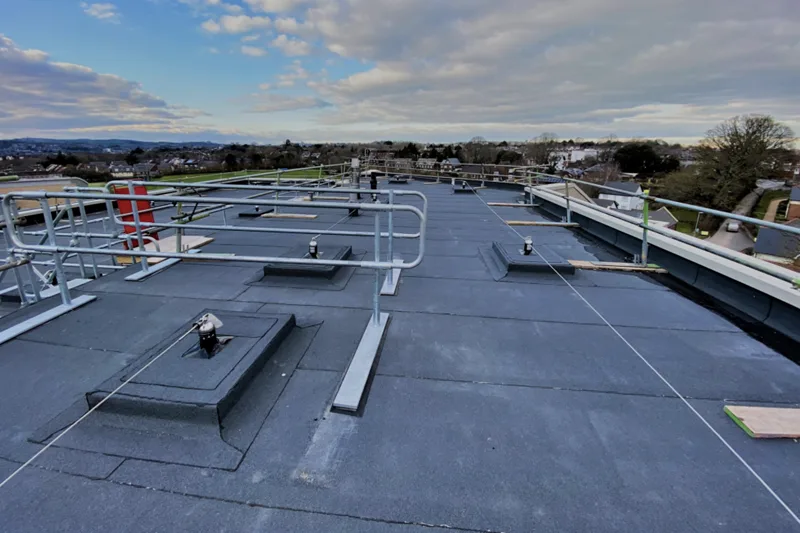
Flat roof installation is best suited for modern homes or for specific architectural needs. Despite the name, these roofs have slight slopes for drainage and are made of materials like EPDM rubber, TPO, or modified bitumen.
Slate roofing represents the premium option – natural stone that can last over 100 years but requires significant upfront investment and structural considerations.
Thinking about this for your situation? Let’s talk. We’ll walk you through your options—no pressure.
Shingle vs Flat vs Slate: Which Approach Works?
Where Asphalt Shingles succeed: Lowest initial cost, easy installation, widely available contractors, a good variety of colors and styles.
Where Asphalt Shingles fail: Shorter lifespan, vulnerable to wind damage, and temperature fluctuations cause expansion/contraction issues.
Where Flat Roofs succeed: Cost-effective for certain home styles, easy maintenance access, potential for rooftop use, and good for HVAC placement.
Where Flat Roofs fail: Drainage challenges, more frequent maintenance, limited material options, and unsuitability for all climates.
Where Slate Roofs succeed: Exceptional durability, fire resistance, beautiful natural appearance, and adds significant home value.
Where Slate Roofs fail: Extremely high upfront costs, requires a focused installation, and heavy weight requires structural reinforcement.
The verdict: Most homeowners benefit from architectural asphalt shingles for the best balance of cost, performance, and availability. Choose slate only if you’re staying long-term and have the budget. Flat roofs work for specific architectural needs but require more maintenance attention.
Cost Analysis: What You’ll Really Pay in 2026
Here’s what homeowners actually spend on roofing materials and installation:
- Asphalt shingles: $8,000-$16,000 for average homes
- Flat roofing: $10,000-$18,000, depending on material choice
- Slate roofing: $25,000-$50,000+ for premium installation
But upfront costs tell only part of the story. Factor in maintenance, energy efficiency, and lifespan, and the numbers shift significantly.
Slate roofing costs more initially but can last 75-100+ years with minimal maintenance. Asphalt shingles need to be replaced every 20-50 years. Flat roofs require membrane replacement every 15-20 years but offer easier access for repairs.
Climate Suitability: Maryland Weather Considerations
Maryland’s climate creates specific challenges for roofing materials. We see hot, humid summers, cold winters, and significant temperature swings that affect material performance.
Asphalt shingles handle Maryland weather well, especially architectural grades. They resist ice dam formation better than flat surfaces and handle wind reasonably well.
Flat roofs struggle with our freeze-thaw cycles. Snow loading and ice formation create drainage issues that lead to leaks. TPO and EPDM materials perform better than older built-up systems.
Slate roofing excels in Maryland’s climate. It doesn’t absorb water, resists freeze-thaw damage, and handles temperature extremes without expansion issues.
Your Roofing Material Selection Framework
- Step 1 – Assess Your Budget: Include installation, permits, and 20% contingency for unexpected issues
- Step 2 – Evaluate Your Timeline: How long will you own this home? Longer ownership justifies higher upfront costs
- Step 3 – Consider Your Home’s Structure: Can your home support the weight of slate? Does your architecture suit flat roofing?
- Step 4 – Factor in Maintenance Preferences: Do you want low-maintenance options or don’t mind regular upkeep?
- Step 5 – Get Multiple Quotes: Compare not just prices but warranties, materials grades, and contractor experience
Common Roofing Material Mistakes to Avoid
The biggest mistake we see? Homeowners are choosing roofing materials solely on price. A cheap shingle roof that fails in 15 years costs more than quality materials installed properly.
Another common error: ignoring structural requirements. Slate roofs require engineering analysis for most homes. Skipping this step leads to sagging, cracking, or worse structural issues.
Don’t assume all contractors handle all materials equally. Whiting Window Siding and Roofing has seen too many botched installations where contractors took jobs outside their experience level.
Key Takeaways for Maryland Homeowners in 2026
- Asphalt shingles offer the best value – balance of cost, performance, and contractor availability
- Flat roofs work for specific situations – modern architecture, commercial-style homes, or HVAC considerations
- Slate is a lifetime investment – choose only if you have the budget and long-term ownership plans
- Climate matters more than aesthetics – Maryland weather favors materials that handle temperature swings
- Installation quality trumps material choice – poor installation ruins even premium materials
Frequently Asked Questions
Which roofing material lasts longest?
Slate roofing lasts 75-100+ years with minimal maintenance. Natural stone doesn’t degrade like manufactured materials, making it the longest-lasting residential roofing option available.
What’s the most cost-effective roofing material?
Architectural asphalt shingles provide the best cost-to-performance ratio for most homes. While not the cheapest upfront, they balance durability, maintenance costs, and replacement frequency effectively.
Do flat roofs work in Maryland’s climate?
Flat roofs can work, but require careful material selection and maintenance. TPO and EPDM materials handle freeze-thaw cycles better than older systems, but drainage becomes critical during the winter months.
How much does slate roofing weigh?
Slate roofing weighs 800-1500 pounds per square (100 sq ft), depending on thickness. This requires structural analysis and often reinforcement compared to asphalt shingles at 200-300 pounds per square.
Which roofing material adds the most value to a home?
Slate roofing adds the highest resale value, often 85-95% cost recovery. Quality architectural shingles recover 60-70% of costs, while flat roofs typically recover less unless they match the architectural style.
How often do different roofing materials need replacement?
Asphalt shingles last 20 years to a lifetime warranty, flat roof membranes last 15-25 years, and slate roofs last 75-100+ years. Actual lifespan depends on installation quality, maintenance, and weather exposure.
What roofing maintenance does each material require?
Slate needs minimal maintenance beyond occasional inspections and gutter cleaning. Asphalt shingles require periodic repairs and moss/algae treatment. Flat roofs need regular membrane inspections and drainage clearing.
Can I install solar panels on different roofing materials?
All three materials can support solar installations with proper mounting systems. Slate requires focused mounting to avoid damage, while asphalt and flat roofs use standard attachment methods.
Which roofing material handles storms best?
Slate roofing provides superior storm resistance due to its weight and durability. Quality asphalt shingles handle most storms well, while flat roofs are most vulnerable to hail and debris damage.
Do roofing materials affect home insurance costs?
Slate and Class 4 impact-resistant shingles often qualify for insurance discounts. Some insurers charge higher premiums for flat roofs due to increased leak risk and maintenance requirements.
Ready to Choose the Right Roofing Material?
Your roof protects your family and represents a major investment. Don’t rush this decision or base it solely on initial costs. Consider your long-term plans, local climate, and total ownership costs.
Ready to take the next step? Contact us today for straight answers and real solutions. We’ll assess your specific situation, explain your options clearly, and help you make the right choice for your home and budget.